
Admin
In sodales tellus ac erat malesuada ac viverra lectus tempor.
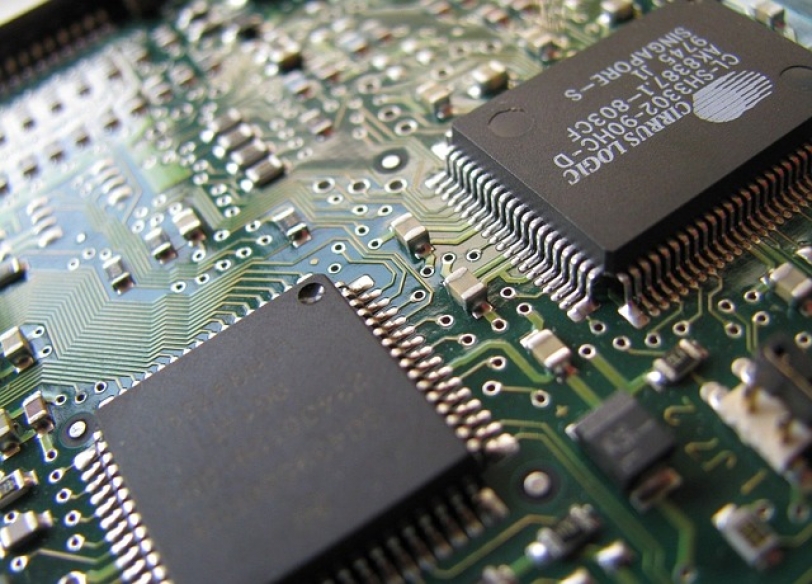
The “World of Semiconductors” has had a tremendous impact on the development of personal lifestyle, convenience and safety over the last decades, driven by the innovation capabilities of this industry. At the same time, the drive of semiconductor growth has directly or indirectly impacted the global economy so significantly that it is not surprising that this industry enjoys special attention and is supported by the governments of the world. How can this support efficiently drive and guide further economic growth over the upcoming decades? Which countries have the right recipes for this? Here are some views and opinions from the author, taking a broader look at the worldwide landscape of this industry.
The semiconductor industry has gone through unprecedented long-term growth development over the last 50 years, fuelled by three distinctive acceleration factors:
- The continuing demand of generations of consumers and industrial users, with the expectation to have access to a practically unlimited flow of innovation.
- The continuous development of capabilities and capacities of semiconductor technologies, paced by what we call Moore’s Law – which is feeding the hunger for these permanent and disruptive technology advances, and is enabling an exciting and rewarding innovation progress for many different industry segments.
- Growth in this industry is also strongly driven by governments, who want to win a major share of the overall pie to support their GDP growth.
Government support is one of the enabling forces for this “multibillion dollar jackpot”. To analyse the economic and strategic power stemming from national industry and technology support schemes, it is essential to understand what is the underlying interest of governments that causes them to place their stake in an industry which is extremely capital-demanding yet is not predictable in terms of ultimate rewards; an industry which operates with high volatility and cyclic risks and is for most of its products famous for its very low margin business. The answer to this “why” is simple but still diverse: Besides the strategic importance of the manufacturing and product technologies to avoid dependency on foreign capabilities and currencies for critical core technologies, the semiconductor industry is a giant job creation machine. It – in growth cycles – implements thousands of high value-added jobs with high-profile skills. One single job created in the operations of a wafer fabrication facility creates multiples of jobs in the ancillary industries – the suppliers, service and maintenance companies, infrastructure builders, training providers and recruitment agencies. Anyway, an industry which is going to generate half-a-trillion dollars of worldwide revenue within the next decades is hard to ignore for any national industry and technology development strategy, which wants to maintain or steer for a healthy trade-accounting balance.
When looking at recipes on how the semiconductor industry could benefit from a smart and continuous government support, it is useful to look into the success factors of some of those other countries, which have developed their fortune in this industry:
- Singapore. Singapore’s overall economy has been growing steadily over the last 50 years, accelerated or most often driven by the progress of its Electronics manufacturing cluster. Interestingly, its GDP growth profile resembles in some sense the curve of Moore’s law – including the observation that continuous growth needs disruptive changes in strategy and technology. Singapore, with its very pro-business environment, focuses on building a knowledge and innovation-based economy in order to provide high-added-value jobs and to avoid competing with low-cost-manufacturing economies in the region. For this, part of Singapore’s plan is to have six (6) national universities by the end of 2013; of which two of the existing ones are already consistently ranked amongst the top 50 universities worldwide.
- Taiwan. Taiwan is a good role model to start with. Taiwan’s comprehensive value chain, which provides from the wafer manufacturers to the OEM all value steps for many of its verticals, is one of the country-specifics, praised by many of the analysts. Taiwan by itself represents more than 70 per cent of the worldwide IC foundry revenue and more than 55 per cent of the worldwide assembly and test businesses. Taiwan has stepped up the complete value-chain of manufacturing within a few years, using success factors.
- Israel. Israel has a truly unique profile in the semiconductor industry. When looking at the landscape of the amount spent on R&D relative to the overall GDP of the country and comparing this to the number of scientist and engineers relative to the people, you will see that Israel has a really outstanding position. It ranks in the top of the world ranking in terms of R&D budget, but it is one of the lowest in terms of jobs allocated to R&D. This gives a good impression on how Israel’s government high R&D focus, which attracts national and international funding as result of a progressive government policy. Nevertheless, it seems that these funds do not turn into many jobs for engineers and scientists, although Israel has many high-profile R&D companies and academic institutions also in our industry.
- China. China follows strictly a government-steered road of success for its industrial growth, including its electronics and semiconductor progress. The government has injected a good share of money into the rise of China’s waferfabs and it has created a huge increase in demand through government stimulus programs in times when the national and global economy stagnated. China’s industry support in the last years has always found its way into competitive enterprises and many new jobs created. Cheap land, skilled labour, reliable infrastructure, tax benefits and a big domestic market will allow further growth which sometimes feels unlimited, but in reality is everything else but that.
First, it is important to understand that Government roadmaps and policies need to be designed in close collaboration with the representation of the industry to reap the best harvest from government seeds. Local industry experts such as SSIA provide an excellent opportunity and a very competent platform for this kind of alignment.
Secondly, progress and “KPIs” for the deployment of a nation’s growth program need to be monitored carefully and continuously. Deviations from the plan need to be managed well. Progress in the right direction needs to be further incentivised. In an industry where building of a waferfab will cost you a few billion dollars of investment, you can expect that one likes to know exactly where the money that has been injected goes.
Contributed by Ulf Schneider, the President of Singapore Semiconductor Industry Association and Managing Director of Lantiq Asia Pacific.
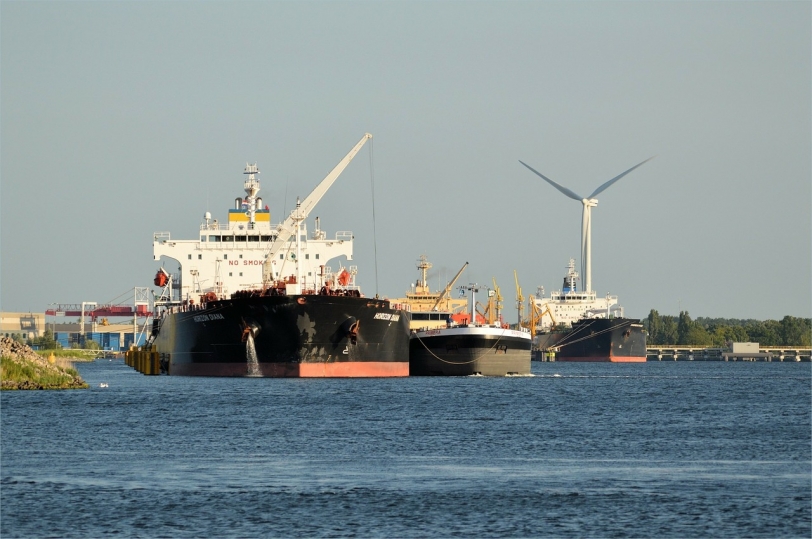
The transhipment of goods via Singapore is regulated under the Customs Act, the Regulation of Imports and Exports Act, the Strategic Goods (Control) Act, and their related subsidiary legislations.
Duties and GST Payments
Transhipment of all goods is not subject to any duty or Goods and Services Tax (GST).
Requirements
For goods which are controlled upon transhipment, a license or other forms of approval has to be obtained from the relevant Competent Authorities (CAs) prior their transhipment via Singapore. More information on the requirements of CAs can be found at http://www.customs.gov.sg/leftNav/trad/TradeNet/Highlights+on+Competent+Authorities+%28CAs%29+Procedures.htm.
Transhipment, via Singapore, of certain goods from or to countries which are sanctioned by the United Nations Security Council (UNSC) is not allowed. To determine whether a transhipment operation via Singapore is subject to trade prohibition, refer to the relevant UNSC Resolutions, which can be found at http://www.customs.gov.sg/stgc/leftNav/san/.
Procedures
For the transhipment of controlled items within the same Free Trade Zone, traders and businesses are required to obtain a Transhipment (TTF) Permit through TradeNet®, especially if the transhipment goods were previously brought into the Free Trade Zone from overseas for temporary storage in the Free Trade Zone, pending transhipment via the same Free Trade Zone.
For the transhipment of goods from one Free Trade Zone to another Free Trade Zone, traders and businesses must obtain a Transhipment (TTI) Permit electronically through TradeNet®, if the transhipment goods were previously brought into the Free Trade Zone from overseas and subsequently transhipped via the second Free Trade Zone.
Only registered shipping agents, airline agents and freight forwarders / cargo agents can submit Transhipment Permit Applications if the shipments are covered by Through Bills of Lading or Through Air Way Bills. After the approval of the Transhipment Permit Application, a copy of the Transhipment Permit is required to be sent to the Permits Compliance Branch together with the
Through Ocean BL or Through Master Air WayBills or Through House BL or Through House Air WayBills for checking.
For more in-depth information on transhipment procedures, please visit the Singapore Customs website at www.customs.gov.sg.
ABOUT SINGAPORE CUSTOMS
Singapore Customs was re-constituted on 1 April 2003 to bring together revenue collection and enforcement, trade documentation, trade facilitation and security functions under one agency. As
Singapore’s single authority on customs and trade regulatory matters, Singapore Customs upholds customs and trade laws to build trust in Singapore’s external trading system, facilitate trade, and protect revenue.
Singapore Customs is at the crossroads of international trade and plays a proactive role in balancing the intricate requirements of trade facilitation, security, and regulatory compliance to support Singapore as a global trade hub. As the single trade regulator, Singapore Customs is well placed to collaborate with multiple stakeholders in trade, both from the public and private sectors. In performing our work, we firmly believe in facilitating legitimate trade, while simultaneously ensuring that Singapore’s trading system is not being exploited for illicit purposes. This guiding philosophy is encapsulated in Singapore Customs’ Vision, Mission and Motto, and is core to our strategic planning.
Trade Facilitation
Since 1989, Singapore Customs has been administering the TradeNet system, the world’s first national single window for trade declaration. This has facilitated trade and documentation processes, making them easy and seamless. Singapore Customs administers preferential tariffs arising from the many free trade agreements signed by Singapore for the benefit of the trading community. Singapore Customs consults and engages the trade and industry to understand customers’ needs, and offers customised solutions to the business community. We aim to lower their business compliance costs, enhance efficiency and promote business growth in Singapore.
Trade Security
Singapore Customs is the lead agency in promoting trade security and secure trade supply chains. Asia’s first supply chain security programme, the Secure Trade Partnership (STP) was launched in 2007 by Singapore Customs. We put in place a voluntary certification programme for companies that seek to adopt robust security measures in their trading operations, thereby contributing to the security of the global supply chain. We are also the lead agency for developing the APEC and World Customs Organisation (WCO) Trade Recovery Guidelines to help economies resume normal trading functions quickly in the event that supply chains are disrupted.
Trade Regulation
Singapore Customs maintains an effective and robust regulatory regime that is able to adapt quickly to the ever-changing business landscape. As a key revenue collection agency for Singapore, Singapore Customs safeguards Government revenue, ensures a level playing field for traders, and takes firm enforcement action against those who attempt to evade duties and taxes, bring in contraband goods or make fraudulent declarations. By adopting principles of risk management, Singapore Customs enables legitimate traders to trade easily and securely in Singapore. To learn more, visit www.customs.gov.sg.
Singapore Customs
55 Newton Road #10-01
Revenue House
Singapore 307987
Customs Call Centre: +65 6355 2000
Fax: +65 6250 8663
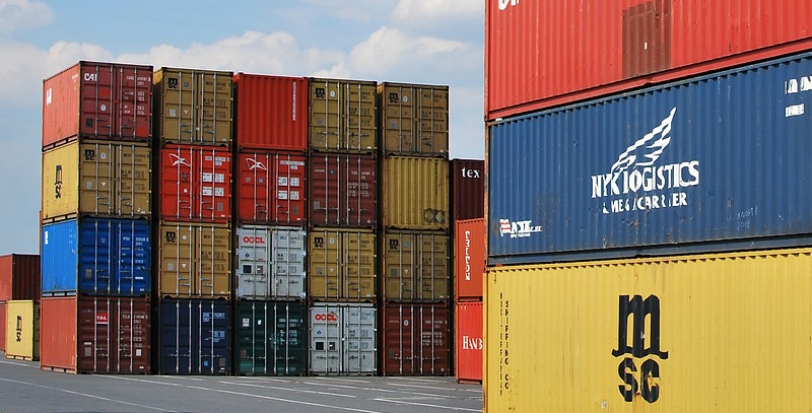
The Major Exporter Scheme (MES) is administered by the Inland Revenue Authority of Singapore (IRAS). The scheme is designed to ease the cash flow of businesses that import and export goods substantially.
Under normal rules, the businesses have to pay GST upfront on importation and subsequently obtain a refund from IRAS after submission of their GST returns. This can create cash flow problems for businesses that export goods substantially as no GST is collected from the zero-rated supplies to set-off their initial cash outflow on importation.
If you are under the MES, you can import non-dutiable goods with GST suspended. With effect from 1 July 2006, you can also enjoy GST suspension on goods removed from a Zero GST warehouse.
When to Use Your MES Status
Your MES status can only be used when you:
- import your own goods in the course or furtherance of your business; or
- import goods belonging to your overseas principal for sale in Singapore or re-export on behalf of the overseas principal, in the course or furtherance of the business; or
- import goods belonging to your overseas principal which will later be re-exported (e.g. back to your overseas principal) if the requirements for section 33A agent in the GST: Guide on Imports are satisfied. You can find a copy of the GST: Guide on Imports at www.iras.gov.sg.
If you import goods as described in (2) and (3) above, you need to ensure that:
- Your overseas principal is not registered for GST.
- You keep separate records for goods belonging to your overseas principal.
- You have control over the custody and possession of the goods owned by your overseas principals at all times.
- You treat any subsequent supply of goods as being made by you.
- If you sell the goods locally, you should standard-rate the supply.
- If you export the goods and maintain the required export evidence, you may zero-rate the supply.
For the types of export evidence to maintain under each export scenario, refer to GST: A Guide on Exports and GST: Guide on Hand-Carried Exports Scheme. Both guides are available at www.iras.gov.sg.
Application/Renewal of MES
Qualifying Conditions
• Your zero-rated supplies must account for more than 50 per cent of the total supplies, or the value of your zero-rated supplies is more than S$10 million for the past 12 months.
• You are required to maintain good internal controls and proper accounting records.
• You are required to maintain good compliance records with IRAS and Singapore Customs.
For more details on the qualifying conditions, please refer to the e-Tax Guide on Major Exporter Scheme available at www.iras.gov.sg.
How to Apply
You can download the paper form GST F10: Application for Major Exporter Scheme at https://www.iras.gov.sg/irasHome/uploadedFiles/Quick_Links/Tax_forms/GST/gstf10_0507.xls. A letter of guarantee from a bank or an insurance company may be required before approval is granted.
Status Validity
Your MES status will be valid until IRAS notifies you in writing that your eligibility of MES status is due for review. This is usually three years after the date of approval. At any time, if you fail to satisfy any of the qualifying conditions, you are required to inform IRAS. Your MES status may be revoked.
Renewal of MES
When your MES status is due for review and you continue to satisfy the qualifying conditions, a MES renewal invitation letter and the “Checklist for Self- Review of Eligibility for MES” will be sent to you.
You are required to submit the checklist within the due date stated in the renewal letter. IRAS will inform you in writing of the outcome of our review. Your MES status will continue to be valid pending the outcome. During the renewal, the requirement of a letter of guarantee will also be reviewed. You will be informed if a letter of guarantee is required.
Enhanced MES from 1 January 2013
With effect from 1 January 2013, you would need to perform a self-review using the Assisted Self-Help Kit (ASK) and submit the certified ASK declaration form “ASK: Declaration Form on Completing Annual Review & Voluntary Disclosure of Errors” to apply for or renew your MES status. The ASK Annual Review must either be performed by:
- an individual accredited with Singapore Institute of Accredited Tax Professionals^ (“SIATP”) as Accredited Tax Advisor (GST) [ATA (GST)] or Accredited Tax Practitioner (GST) [ATP (GST)]; or
- the GST-registered business and certified by an individual accredited with SIATP as ATA (GST) or ATP (GST), in adherence to the certification procedures set out in the GST ASK Annual Review Guide. You may download a copy of the GST ASK Annual Review Guide at www.iras.gov.sg.
This will replace the positive assurance report required in MES application and the “Checklist for Self-Review of Eligibility for MES” in MES renewal.
^The ATA (GST) or ATP (GST) may either be an in-house staff or external party. For more information on accreditation, please visit www.siatp.org.sg.
Businesses that are already under MES will receive notifications on this by April 2012. For successful ACAP applicants, you do not need to submit the ASK declaration form pending the result of ACAP review and submission of ACAP Report. Please refer to the e-Tax Guide on Major Exporter Scheme available at www.iras.gov.sg for more details on the enhancement.
Appointment of Declaring Agents
As an approved MES person, you can authorise up to 20 declaring agents to clear the goods on your behalf. You are accountable for all permits declared by your declaring agents. Therefore, we advise that you exercise due care and do not appoint more declaring agents than necessary.
Reporting in GST Return
Importation of Goods
When you import goods, using your MES status, you should declare the value of imports in:
- Total value of taxable purchases (Box 5); and
- Total value of goods imported under Major Exporter Scheme / Approved 3rd Party Logistics Company Scheme or Other Approved Schemes (Box 9).
Such declarations must be supported by valid ME permits and relevant supporting documents. As GST on imports has been suspended, you should not claim any input tax.
Importation of Goods into and Removal of Goods From Zero GST Warehouse
When you import goods into a Zero GST Warehouse, you need to declare the imports in your GST return despite the suspension of GST. You should declare the value of imports in:
- Total value of taxable purchases (Box 5)
If the goods are removed from Zero GST Warehouse into customs territory using your MES status, you should declare the value of goods removed in:
- Total value of taxable purchases (Box 5); and
- Total value of goods imported under Major Exporter Scheme / Approved 3rd Party Logistics Company Scheme or Other Approved Schemes (Box 9).
They must be duly supported by valid ME/ MC/ Customs permits and relevant supporting documents. As GST has been suspended, you should not claim any input tax.
For more details, please refer to Major Exporter Scheme available on IRAS’s website at https://www.iras.gov.sg/irasHome/page04.aspx?id=2108. For more details, visit the Inland Revenue Authority of Singapore (IRAS) website at www.iras.gov.sg.
ABOUT THE INLAND REVENUE AUTHORITY OF SINGAPORE
The Inland Revenue Authority of Singapore (IRAS) acts as an agent of the Singapore Government to administer, assess, collect, and enforce payment of taxes and duties. As the main tax administrator for the Ministry of Finance, IRAS plays a role in tax policy formulation by providing policy inputs, as well as the technical and administrative implications of each policy. IRAS also actively monitors developments in external economic and tax environment to identify areas for policy review and changes aimed at fostering a competitive tax environment that encourages enterprise and growth.
IRAS is responsible for the administration of Income Tax, Goods and Services Tax, Property Tax, Stamp Duty and Betting Taxes.
The other non-revenue functions performed by IRAS include representing the government in tax treaty negotiations, providing advice on property valuation and drafting of tax legislation.
Inland Revenue Authority of Singapore
55 Newton Road
Revenue House
Singapore 307987
Main line: +65 6356 8233
Website: www.iras.gov.sg
Email: This email address is being protected from spambots. You need JavaScript enabled to view it.
Facebook: www.facebook.com/irassg
Twitter: www.twitter.com/iras_sg

In general, the importation of non-dutiable goods into Singapore is subject to Goods and Services Tax (GST), while the importation of dutiable ones is subject to both duty and GST.
Goods and Services Tax
The GST rate in Singapore is currently at seven per cent. The GST is calculated based on the Customs value plus all duties and other chargeable costs, whether or not shown on the invoice, at the point of importation. To establish the Customs value in CIF (Cost, Insurance and Freight), use the transaction value or the price paid or payable for the imported goods, then add overseas freight and insurance charges.
Ensure that the transaction cost includes all other charges such as commissions, assists (materials supplied by the importer), packing costs, proceeds of subsequent resale accruing to the seller, royalties and licence fees, and any other fees.
The transaction value will be accepted by Singapore Customs provided it meets the conditions below:
- There is evidence of a sale such as the presence of commercial invoices, sale contracts, purchase orders or others
- There are no restrictions on the use of the goods by the buyer
- The sale or price is not subject to conditions or considerations for which a value cannot be determined with respect to the goods being valued
- It must be shown that the transaction value has not been affected by any relationship between the importer and supplier
Where the transaction value cannot be used, the following alternatives will be used to determine the Customs value:
- Identical or similar goods value - the transaction value of identical or similar goods sold for export to Singapore
- Deductive value - the sale price of the goods in Singapore, adjusted for costs incurred after shipment
- Computed value - the value based on cost of production, general expenses and profits in the country of origin relating to the imported goods
- Residual valuation - the value determined by Singapore Customs, based on flexible interpretation of all the previous methods
Duties
The four broad categories of dutiable goods in Singapore are intoxicating liquors, tobacco products, motor vehicles and petroleum products as well as petroleum products and natural gas used as motor fuel. A list of dutiable goods can be found at http://www.customs.gov.sg/leftNav/trad/val/List+of+Dutiable+Goods.htm.
For dutiable goods, ad valorem or specific duty rates may be applied. An ad valorem rate is the percentage of the Customs value of the imported dutiable goods (e.g. 20 per cent ad valorem), while a specific rate is a specified amount per unit of weight or volume of the imported goods (e.g. $352.00 per kg).
Refund of GST and Duties Paid
Where an overpayment or erroneous payment of duty occurs, a claim for a refund can be made in writing within one year. A claim for GST overpayment or erroneous payment can be made in writing within six years.
The claim can only be made by the declaring agent or importer through online submission through the Refund module in TradeNet®. Additional criteria for refund eligibility are:
- Refund permit and replacement permit (if any) must not be cancelled or refunded
- Payment has been made
All applicants will be notified of the outcome of their refund applications through the Refund module in TradeNet®.
There are three possible outcomes:
- Rejection: The taxable importer may try to claim the GST as input tax from the Inland Revenue Authority of Singapore (IRAS) during their accounting period.
- Approval: Successful refunds will be credited directly into the Inter-Bank GIRO account that the payers have maintained with Singapore Customs.
- Pending supporting documents: Applicants will be notified through the Refund module in TradeNet® to submit the required documents.
ABOUT SINGAPORE CUSTOMS
Singapore Customs was re-constituted on 1 April 2003 to bring together revenue collection and enforcement, trade documentation, trade facilitation and security functions under one agency. As
Singapore’s single authority on customs and trade regulatory matters, Singapore Customs upholds customs and trade laws to build trust in Singapore’s external trading system, facilitate trade, and protect revenue.
Singapore Customs is at the crossroads of international trade and plays a proactive role in balancing the intricate requirements of trade facilitation, security, and regulatory compliance to support Singapore as a global trade hub. As the single trade regulator, Singapore Customs is well placed to collaborate with multiple stakeholders in trade, both from the public and private sectors. In performing our work, we firmly believe in facilitating legitimate trade, while simultaneously ensuring that Singapore’s trading system is not being exploited for illicit purposes. This guiding philosophy is encapsulated in Singapore Customs’ Vision, Mission and Motto, and is core to our strategic planning.
Trade Facilitation
Since 1989, Singapore Customs has been administering the TradeNet system, the world’s first national single window for trade declaration. This has facilitated trade and documentation processes, making them easy and seamless. Singapore Customs administers preferential tariffs arising from the many free trade agreements signed by Singapore for the benefit of the trading community. Singapore Customs consults and engages the trade and industry to understand customers’ needs, and offers customised solutions to the business community. We aim to lower their business compliance costs, enhance efficiency and promote business growth in Singapore.
Trade Security
Singapore Customs is the lead agency in promoting trade security and secure trade supply chains. Asia’s first supply chain security programme, the Secure Trade Partnership (STP) was launched in 2007 by Singapore Customs. We put in place a voluntary certification programme for companies that seek to adopt robust security measures in their trading operations, thereby contributing to the security of the global supply chain. We are also the lead agency for developing the APEC and World Customs Organisation (WCO) Trade Recovery Guidelines to help economies resume normal trading functions quickly in the event that supply chains are disrupted.
Trade Regulation
Singapore Customs maintains an effective and robust regulatory regime that is able to adapt quickly to the ever-changing business landscape. As a key revenue collection agency for Singapore, Singapore Customs safeguards Government revenue, ensures a level playing field for traders, and takes firm enforcement action against those who attempt to evade duties and taxes, bring in contraband goods or make fraudulent declarations. By adopting principles of risk management, Singapore Customs enables legitimate traders to trade easily and securely in Singapore. To learn more, visit www.customs.gov.sg.
Singapore Customs
55 Newton Road #10-01
Revenue House
Singapore 307987
Customs Call Centre: +65 6355 2000
Fax: +65 6250 8663
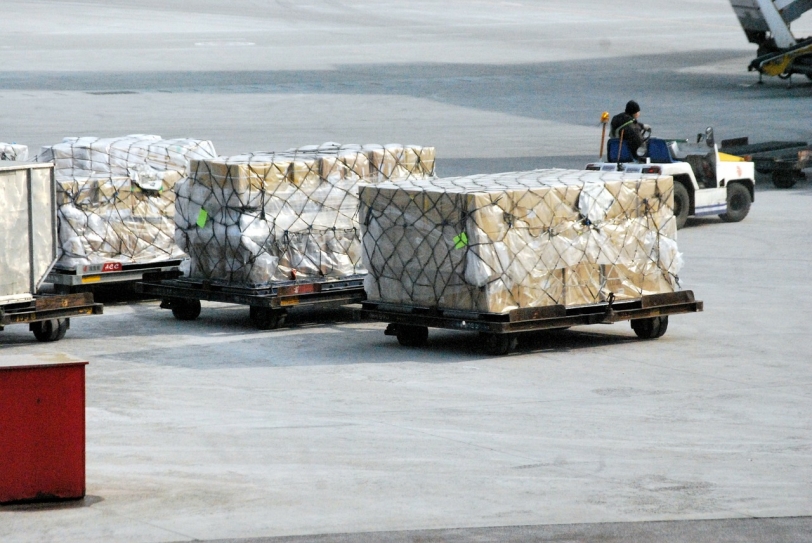
The importation of goods into Singapore is regulated under the Customs Act, the Regulation of
Imports and Exports Act, the Goods and Services Tax Act, the Chemical Weapons (Prohibition) Act and their related subsidiary legislations.
In general, the importation of non-dutiable goods into Singapore is subject to Goods and Services Tax (GST) while the importation of dutiable goods is subject to both duty and GST. There are four broad categories of dutiable goods in Singapore, and they are intoxicating liquors, tobacco products, motor vehicles as well as petroleum products and natural gas used as motor fuel.
Duties and GST Payment
The importer is the entity who is responsible for the payment of any duties, GST and other miscellaneous taxes and fees to the Singapore Customs upon the importation of their goods. For easy payment of taxes and fees, the importer may apply for an inter-bank GIRO account with Singapore Customs. Alternatively, they may appoint a forwarding agent to make payments for the related taxes.
The prevailing GST rate is 7 per cent, and is calculated based on the CIF (Costs, Insurance and Freight) value plus all duties and other chargeable costs, whether or not shown on the invoice, at the point of importation. Duty, however, is calculated based on the ad valorem or specific duty rates.
Duties and GST may be suspended up to the point of consumption if they are imported or manufactured under the various Customs schemes. For more information on the Customs schemes, refer to http://www.customs.gov.sg/leftNav/trad/Customs+Schemes+and+Licences.htm.
Duties and GST may be exempted if they are imported for use or consumption by persons who are entitled to GST relief and/or duty exemption provided under the GST (Imports Relief) Order and Customs (Duties) (Exemption) Order respectively.
Requirements
For goods that are subject to import control, a license or other forms of approval has to be obtained from the relevant Competent Authorities (CAs) prior their importation into Singapore. To view a list of controlled goods, go to http://www.customs.gov.sg/leftNav/trad/TradeNet/List+Of+Controlled+Goods+-+Imports.htm.
Certain goods imported from other countries may also have trade prohibitions sanctioned by the United Nations Security Council (UNSC). For cases like these, the importer is advised to refer to the relevant UNSC Resolutions to ensure that the goods are allowed to be imported to Singapore from the sanctioned countries. You may view the complete list of the UNSC Sanctions at http://www.customs.gov.sg/stgc/leftNav/san/.
There are specific high-technology items that are subject to export control by the exporting country. For cases like these, the exporter in the exporting country may ask the importer from Singapore to provide an Import Certificate Delivery Verification (ICDV), commonly known as the International Import Certificate (IIC). Singapore importers can get an ICDV from Singapore Customs. This certificate will allow the exporter to seek approval for the export of the high-technology items from his government authorities. The items covered by an ICDV must be imported directly into Singapore.
Procedures
In general, a permit has to be applied through TradeNet® prior to the importation of goods into Singapore. More information on permit requirement and exemption can be found at http://www.customs.gov.sg/leftNav/trad/TradeNet/Imports+and+Exports+Information.htm.
Temporary Import Scheme
All goods, except for liquor and tobacco, are allowed to be temporarily imported for six months for approved purposes such as exhibitions, auctions, fairs, repairs, demonstrations, testing and stage performance.
Some examples of goods that can be imported under the Temporary Import Scheme (TIS) include:
- Professional equipment
- Teaching and scientific equipment
- Live animals for dressage, training or breeding purposes
- Motor vehicles that will be used for demonstration, training or racing in Singapore
- Medical supplies and stores for disaster relief
- Stage effects, equipment and paraphernalia and live animals required for certain performances
- Goods, excluding dutiable liquor for display or usage at exhibitions, fairs or any other similar events
- Horses, private or recreational boats or aircraft and vehicles that will be used for sports, racing or any other similar events
- Conveyance for temporary private usage
- Scientific and technical goods subjected to approval by the Director-General
Re-importation of Goods
GST relief may be granted on the re-importation of goods, specifically goods which were exported subject to the following conditions:
- If the goods were intended to be re-imported at the time of export;
- An appropriate permit to cover the temporary export movement is obtained; and
- The ownership of the goods has not been transferred to a person outside Singapore during the time of exportation or during the time while the goods were abroad.
GST relief may also be granted on the re-importation of exported goods which were rejected or returned, subject to the following conditions:
- The goods were exported by the trader;
- There was no change in the ownership of the goods; and
- The goods were re-imported in the same state without any alteration, manipulation or processing while abroad.
GST is required at the point of re-importation if re-imported goods were altered, manipulated or processed while abroad. GST will be calculated based on the increase in value resulting from the alteration, manipulation or processing.
Singapore Customs offers traders and businesses a comprehensive guide of Singapore import procedures. You can visit the Singapore Customs website at http://www.customs.gov.sg.
ABOUT SINGAPORE CUSTOMS
Singapore Customs was re-constituted on 1 April 2003 to bring together revenue collection and enforcement, trade documentation, trade facilitation and security functions under one agency. As
Singapore’s single authority on customs and trade regulatory matters, Singapore Customs upholds customs and trade laws to build trust in Singapore’s external trading system, facilitate trade, and protect revenue.
Singapore Customs is at the crossroads of international trade and plays a proactive role in balancing the intricate requirements of trade facilitation, security, and regulatory compliance to support Singapore as a global trade hub. As the single trade regulator, Singapore Customs is well placed to collaborate with multiple stakeholders in trade, both from the public and private sectors. In performing our work, we firmly believe in facilitating legitimate trade, while simultaneously ensuring that Singapore’s trading system is not being exploited for illicit purposes. This guiding philosophy is encapsulated in Singapore Customs’ Vision, Mission and Motto, and is core to our strategic planning.
Trade Facilitation
Since 1989, Singapore Customs has been administering the TradeNet system, the world’s first national single window for trade declaration. This has facilitated trade and documentation processes, making them easy and seamless. Singapore Customs administers preferential tariffs arising from the many free trade agreements signed by Singapore for the benefit of the trading community. Singapore Customs consults and engages the trade and industry to understand customers’ needs, and offers customised solutions to the business community. We aim to lower their business compliance costs, enhance efficiency and promote business growth in Singapore.
Trade Security
Singapore Customs is the lead agency in promoting trade security and secure trade supply chains. Asia’s first supply chain security programme, the Secure Trade Partnership (STP) was launched in 2007 by Singapore Customs. We put in place a voluntary certification programme for companies that seek to adopt robust security measures in their trading operations, thereby contributing to the security of the global supply chain. We are also the lead agency for developing the APEC and World Customs Organisation (WCO) Trade Recovery Guidelines to help economies resume normal trading functions quickly in the event that supply chains are disrupted.
Trade Regulation
Singapore Customs maintains an effective and robust regulatory regime that is able to adapt quickly to the ever-changing business landscape. As a key revenue collection agency for Singapore, Singapore Customs safeguards Government revenue, ensures a level playing field for traders, and takes firm enforcement action against those who attempt to evade duties and taxes, bring in contraband goods or make fraudulent declarations. By adopting principles of risk management, Singapore Customs enables legitimate traders to trade easily and securely in Singapore. To learn more, visit www.customs.gov.sg.
Singapore Customs
55 Newton Road #10-01
Revenue House
Singapore 307987
Customs Call Centre: +65 6355 2000
Fax: +65 6250 8663
The exportation of goods from Singapore is regulated under the Customs Act, the Regulation of
Imports and Exports Act, the Strategic Goods (Control) Act, the Chemical Weapons (Prohibition) Act and their related subsidiary legislations.
Duties and GST Payments
Export of all goods is not subject to duty or Goods and Services Tax (GST).
Requirements
The exporter is required to take up the appropriate export permit for the export of goods from Singapore regardless of whether or not the goods are controlled or non-controlled. Generally, the exporter will be the party who issues the commercial invoice to his overseas customer and is required to declare the FOB value of the goods in the export permit application. The outward permit must cover the following movements of goods:
- removal of dutiable goods from a licensed warehouse for export;
- removal of non-dutiable goods from a Zero-GST warehouse, and goods under the Major Exporter Scheme for export;
- removal of goods for re-export which have been earlier imported temporarily under the Temporary Import Scheme; and
- temporary export of goods abroad which are intended to be re-imported.
A TradeNet® permit for strategic goods (prefix “XO”) is required for the export of goods controlled under the Strategic Goods (Control) Act. More information on the list of such controlled strategic goods and technology can be found at http://www.customs.gov.sg/stgc/leftNav/per/Exports+Transhipments+and+Transits.htm.
Different Competent Authorities (CAs) will impose different sets of requirements. More information on the requirements can be found at http://www.customs.gov.sg/leftNav/trad/TradeNet/Highlights+on+Competent+Authorities+%28CAs%29+Procedures.htm.
Trade prohibitions are imposed on certain goods that cannot be exported to countries sanctioned by the United Nations Security Council (UNSC). You are advised to refer to the relevant UNSC Resolutions to determine if the goods may be exported to the sanctioned countries. A complete listing of the UNSC Sanctions can be found at http://www.customs.gov.sg/stgc/leftNav/san/.
Procedures
In general, a permit has to be applied through TradeNet® prior the exportation of goods from Singapore. Specifically, traders are required to:
- Obtain an OUT Permit through TradeNet® any time before export, prior to goods lodgement with sea port operators or air cargo ground handling agents, if the goods are exported by sea or air, or
- Obtain an OUT Permit through TradeNet® before goods are exported out of Singapore by road and rail, or
- Obtain an OUT (Temporary Consignment) Permit through TradeNet® before exporting goods which are previously imported under the Temporary Import Scheme out of Singapore, or
- Obtain an OUT (Temporary Export/Re-imported Goods) Permit through TradeNet® before goods are exported under the Temporary Export Scheme, or
- Obtain an OUT (Approve Premises/Schemes) Permit through TradeNet® before goods are released from the LW and/or ZGS for export out of Singapore.
More information on permit requirement and exemption can be found at http://www.customs.gov.sg/leftNav/trad/TradeNet/Imports+and+Exports+Information.htm.
Temporary Export of Goods
Goods that are temporarily exported are subject to the following conditions:
- The goods were intended to be re-imported during the time of export;
- The appropriate permit was filed to cover the temporary export; and
- At the time of exportation or during the time when the goods were abroad, the ownership of the goods was not transferred to a person outside Singapore.
Singapore Customs offers traders and businesses a comprehensive guide of Singapore export procedures. You can visit the Singapore Customs website at http://www.customs.gov.sg.
ABOUT SINGAPORE CUSTOMS
Singapore Customs was re-constituted on 1 April 2003 to bring together revenue collection and enforcement, trade documentation, trade facilitation and security functions under one agency. As
Singapore’s single authority on customs and trade regulatory matters, Singapore Customs upholds customs and trade laws to build trust in Singapore’s external trading system, facilitate trade, and protect revenue.
Singapore Customs is at the crossroads of international trade and plays a proactive role in balancing the intricate requirements of trade facilitation, security, and regulatory compliance to support Singapore as a global trade hub. As the single trade regulator, Singapore Customs is well placed to collaborate with multiple stakeholders in trade, both from the public and private sectors. In performing our work, we firmly believe in facilitating legitimate trade, while simultaneously ensuring that Singapore’s trading system is not being exploited for illicit purposes. This guiding philosophy is encapsulated in Singapore Customs’ Vision, Mission and Motto, and is core to our strategic planning.
Trade Facilitation
Since 1989, Singapore Customs has been administering the TradeNet system, the world’s first national single window for trade declaration. This has facilitated trade and documentation processes, making them easy and seamless. Singapore Customs administers preferential tariffs arising from the many free trade agreements signed by Singapore for the benefit of the trading community. Singapore Customs consults and engages the trade and industry to understand customers’ needs, and offers customised solutions to the business community. We aim to lower their business compliance costs, enhance efficiency and promote business growth in Singapore.
Trade Security
Singapore Customs is the lead agency in promoting trade security and secure trade supply chains. Asia’s first supply chain security programme, the Secure Trade Partnership (STP) was launched in 2007 by Singapore Customs. We put in place a voluntary certification programme for companies that seek to adopt robust security measures in their trading operations, thereby contributing to the security of the global supply chain. We are also the lead agency for developing the APEC and World Customs Organisation (WCO) Trade Recovery Guidelines to help economies resume normal trading functions quickly in the event that supply chains are disrupted.
Trade Regulation
Singapore Customs maintains an effective and robust regulatory regime that is able to adapt quickly to the ever-changing business landscape. As a key revenue collection agency for Singapore, Singapore Customs safeguards Government revenue, ensures a level playing field for traders, and takes firm enforcement action against those who attempt to evade duties and taxes, bring in contraband goods or make fraudulent declarations. By adopting principles of risk management, Singapore Customs enables legitimate traders to trade easily and securely in Singapore. To learn more, visit www.customs.gov.sg.
Singapore Customs
55 Newton Road #10-01
Revenue House
Singapore 307987
Customs Call Centre: +65 6355 2000
Fax: +65 6250 8663
The Central Narcotics Bureau (CNB) is Singapore’s law enforcement agency in the fight against drugs.
Anti-Drug Strategy
CNB adopts a multi-pronged approach in its fight against drugs. Tough and vigorous drug law enforcement remains fundamental to CNB’s approach towards drug control. While stemming the supply of drugs in Singapore through intensive enforcement operations, CNB continues with its upstream efforts in the prevention of drug abuse through a myriad of platforms, including exhibitions and anti-drug talks, and high-profile events, such as the annual Anti-Drug Abuse Campaign. Together with its partners and key stakeholders, such as the National Council Against Drug Abuse, CNB continues to reach out to engage and educate youths and their parents on the dangers of drug abuse and its severe consequences.
The enforcement action against drug abusers is made effective because the law allows for drug abusers to be committed immediately to drug rehabilitation centres for treatment, thus preventing them from continuing their drug abuse and from contaminating others. The law also provides for appropriate punishment to be meted out to recalcitrant abusers. In addition, the law provides for harsh deterrent penalties for drug traffickers.
Misuse of Drugs Act
The main legislation for drug offences is the Misuse of Drugs Act (MDA). The act lists out controlled drugs which are prohibited in Singapore. The MDA also lists out the offences involving controlled drugs and substances in relation to trafficking, manufacturing, importation or exportation, possession and consumption.
The Misuse of Drugs Act was amended in July 1998 to control the manufacture, supply and possession of precursor chemicals as well as provide regulations on the import, export and transhipment of these chemicals. There are currently 24 controlled substances listed under the Third Schedule of the Misuse of Drugs Act. To prevent the diversion of chemicals, companies are required to apply for a CNB permit to import, export and tranship controlled substances for commercial purposes. This is in the form of an e-service ‘Permit Administration and ConTROL’ or ‘PATROL’ System available on CNB website.
The Intoxicating Substances Act
The main legislation for inhalant offences is the Intoxicating Substances Act (INSA). The act spells out the offences involving intoxicating substances in relation to inhaling, supplying or offering to supply. Inhalant abusers may be placed under supervision up to a year or be committed to an approved centre for treatment and rehabilitation between 6 to 12 months.
The list of drugs and inhalants controlled under the MDA and INSA include:


Data derived from the Central Narcotics Bureau website. For more in-depth information, visit the Central Narcotics Bureau website at
www.cnb.gov.sg.
Central Narcotics Bureau
Blk B, Police Cantonment Complex
393 New Bridge Road
Singapore 088763
Tel: +65 63256666
Fax: +65 62273978
Website: www.cnb.gov.sg
Under the TradeFIRST Framework, companies on board Singapore Customs’ schemes and licences will be rated into one of five bands: Basic, Standard, Intermediate, Enhanced and Premium.
TradeFIRST Framework TradeFIRST stands for Trade Facilitation & Integrated Risk-based SysTem. It is a one-stop assessment framework that helps make trade easy, fair and secure. It supports the trade facilitation and compliance efforts of Singapore Customs by enabling Singapore Customs to assess a company holistically, based on a single, uniform set of assessment criteria.
In a nutshell, the principle of TradeFIRST is explained in this table:

With TradeFIRST, trade will be:
Easy, with its streamlined application process for all Singapore Customs’ schemes, programmes and customised facilitation to meet companies’ unique business needs.
Fair, with a common set of clear and transparent assessment criteria and guidelines. This lets you enjoy a suite of facilitation based on a company’s banding.
Secure, allowing you to improve your company’s key systems and processes while raising the compliance and supply chain security standards of companies.
For more information on TradeFIRST, go to http://www.customs.gov.sg/leftNav/trad/TradeFIRST.htm.
Schemes and Licences
Below is a list of the schemes and licences, for your reference:


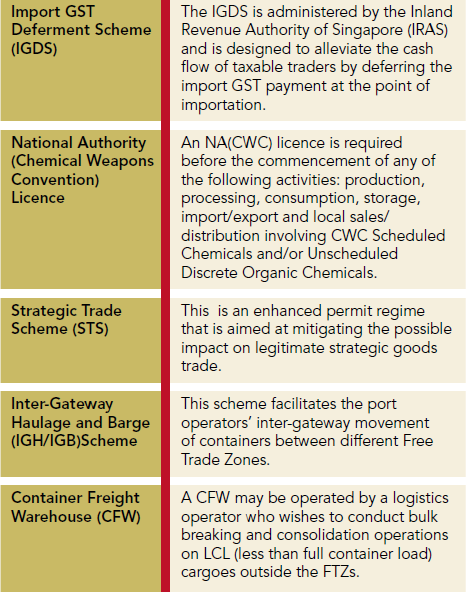
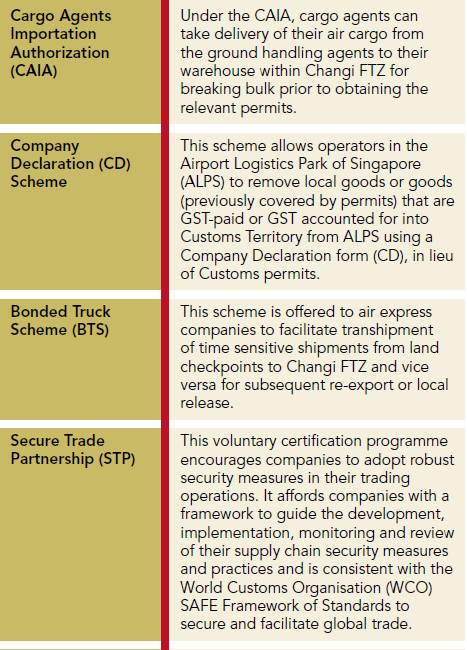

For more details, visit the Singapore Customs website at www.customs.gov.sg
ABOUT SINGAPORE CUSTOMS
Singapore Customs was re-constituted on 1 April 2003 to bring together revenue collection and enforcement, trade documentation, trade facilitation and security functions under one agency. As
Singapore’s single authority on customs and trade regulatory matters, Singapore Customs upholds customs and trade laws to build trust in Singapore’s external trading system, facilitate trade, and protect revenue.
Singapore Customs is at the crossroads of international trade and plays a proactive role in balancing the intricate requirements of trade facilitation, security, and regulatory compliance to support Singapore as a global trade hub. As the single trade regulator, Singapore Customs is well placed to collaborate with multiple stakeholders in trade, both from the public and private sectors. In performing our work, we firmly believe in facilitating legitimate trade, while simultaneously ensuring that Singapore’s trading system is not being exploited for illicit purposes. This guiding philosophy is encapsulated in Singapore Customs’ Vision, Mission and Motto, and is core to our strategic planning.
Trade Facilitation
Since 1989, Singapore Customs has been administering the TradeNet system, the world’s first national single window for trade declaration. This has facilitated trade and documentation processes, making them easy and seamless. Singapore Customs administers preferential tariffs arising from the many free trade agreements signed by Singapore for the benefit of the trading community. Singapore Customs consults and engages the trade and industry to understand customers’ needs, and offers customised solutions to the business community. We aim to lower their business compliance costs, enhance efficiency and promote business growth in Singapore.
Trade Security
Singapore Customs is the lead agency in promoting trade security and secure trade supply chains. Asia’s first supply chain security programme, the Secure Trade Partnership (STP) was launched in 2007 by Singapore Customs. We put in place a voluntary certification programme for companies that seek to adopt robust security measures in their trading operations, thereby contributing to the security of the global supply chain. We are also the lead agency for developing the APEC and World Customs Organisation (WCO) Trade Recovery Guidelines to help economies resume normal trading functions quickly in the event that supply chains are disrupted.
Trade Regulation
Singapore Customs maintains an effective and robust regulatory regime that is able to adapt quickly to the ever-changing business landscape. As a key revenue collection agency for Singapore, Singapore Customs safeguards Government revenue, ensures a level playing field for traders, and takes firm enforcement action against those who attempt to evade duties and taxes, bring in contraband goods or make fraudulent declarations. By adopting principles of risk management, Singapore Customs enables legitimate traders to trade easily and securely in Singapore. To learn more, visit www.customs.gov.sg.
Singapore Customs
55 Newton Road #10-01
Revenue House
Singapore 307987
Customs Call Centre: +65 6355 2000
Fax: +65 6250 8663