
Admin
In sodales tellus ac erat malesuada ac viverra lectus tempor.

Looking at Fashion from the Business Perspective

Whenever I go to a conference, people ask me what I do. I usually have two answers in mind, but you’d be surprised at the different responses I get. If I tell them I’m in the business of fashion, their eyes light up. The conversation thereafter will usually be about the glamour, the clothes, the models and which brands they all love and wear. This is usually followed by questions on which brands do I distribute, work for or design for. And then, I tell them the truth - I make clothes. I’m a manufacturer. That’s the business I’ve been in over the last 16 years (and gotten pretty good at). I’m amused, however, at how this projects a different response. What comes up next are usually about how hard it must be like as it’s a labour intensive industry. Most of what they say is their perception of textile manufacturing. How the media has shown the collapse of factories in Bangladesh, how children are exploited in third world countries and how inhumane life is in these sweatshops.
Labour standards and corporate social responsibility (CSR) in the fashion industry have come under some scrutiny in recent times, and through this article, I’d like to take a deeper look at how CSR and sustainability will be the key to long term success for fashion brands and retailers.
Globalisation has indeed changed many industries, and the apparel industry is no different. With brands now often dispersed geographically, manufacturing, distribution and retail operations are split across several different regions and countries. Retailers today have to meet global corporate standards for safety, labour, sustainability, quality of product and so forth. They also have to make sure that their supply chain standards are adhered to and maintained. But change is not just being driven by the retailers and brands. Brand owners, retailers as well as manufacturers have come to understand that CSR and sustainability go hand-in-hand with commercial longevity. After all, one picture of a child working in the facility, or of workers fainting from heat will destroy many years of work that fashion brands have spent time and money to build.
It is therefore vital for CSR and sustainability to be enforced together as part of the wider globalisation strategy. It should be the objective of each reputable brand and its respective manufacturer (or, indeed, manufacturers) to collaborate to enforce compliance throughout the supply chains. But brands and manufacturers can sometimes be like yin and yang. Both sides have vested interests in maximising commercial interests. The only way to do this is to rethink and evolve supply chain partnerships. This will mean fashion brands and retailers have to treat manufacturers not as suppliers, but as long term strategic partners. Many brands are already doing so. Behind the successful delivery of each fashion runway show, there are now closer partnerships and tie-ups. This involves sharing business plans openly and sharing strategic supply chain resources, so that all parties will put in effort to drive CSR within each process in the supply chain. This is the business of fashion that was neglected and now being enforced today.
As CSR evolves alongside our supply chain, more forward-looking brands and manufacturers are moving towards to the next mega-trend of our times. The issue of sustainability has now become increasingly integrated into businesses across many industries, and within the apparel supply chain itself. Although this shift is often initially driven by compliance issues with regulations and laws, not to mention reputational risk management, companies are also beginning to see value in embracing sustainability in terms of their access to resources, efficiency and innovation across their supply chains and brand value. A robust sustainability strategy can also provide the focus, information and solutions necessary to be a resilient enterprise in a rapidly evolving and volatile world and to address and adapt to the changing needs of consumers, resource constraints and overall unpredictability.
But let’s be honest. While sustainability is without a doubt a business opportunity, it is fraught with challenges and uncertainties. As such, it is a journey that requires effort, no matter the size of the business, and it takes time. What is essential is to act and to start in areas where positive results can be achieved. This, while sounding straightforward, is not necessarily so. Even myself as a manufacturer, when I look through the lens of sustainability, I see that businesses touch the environment and deal with people and communities at every step of their complex supply chains. Thus, prioritisation and focus are essential. Change is challenging at the best of times and implementing sustainability strategies will demand some degree of change across the company, which in turn, demands strong leadership.
The key idea is to recognise that sustainability is not just going to be an important element of competitiveness, but being a responsible company will indeed make an impact among the community, our sector and our planet that we exist in. If this is truly the big idea of the next century, then perhaps we should start preparing ourselves now, with focused little steps, and recognising that we will get there eventually.
Mark Lee
President
Textile and Fashion Federation (Singapore)
This article is brought to you by the Textile and Fashion Federation (Singapore)


In a country where most of the population are internet users, the online shopping market in Singapore is booming.

Consumers are increasingly drawn to the convenience of online shopping, and are also getting more comfortable with both online and mobile payment mechanisms. According to PayPal’s Online and Mobile Shopping Insights Study conducted by Nielsen, Singapore's online shopping market reached S$1.1 billion in 2010, and is forecast to hit S$4.4 billion by 2015.
More new e-commerce firms are expected to emerge in Singapore, with new start-ups following the successes of major e-commerce businesses like Zalora, Qoo10, RedMart and Reebonz. One of the biggest e-commerce businesses in the region is Zalora, which has operations in Singapore, Malaysia, Indonesia, the Phillipines, Thailand and Vietnam. According to an infographic released in 2013, besides a record of 17.9 million visitors from the region, Zalora had over 20,000 square meters of warehouse space (equivalent to five football fields) and more than 23,000 new products added to their website each week. It also achieved another milestone in the same year when it delivered its one millionth order in May.
The online shopping phenomenon in Singapore and the region has become evident, with international e-commerce giants like Japan's Rakuten and China's Taobao expanding to Southeast Asia.
Mobile Shopping
According to a survey by the Infocomm Development Authority of Singapore (IDA), Singapore’s mobile phone penetration rate was at 153.9 per cent by the second quarter of 2014. The total mobile subscriptions for 2G+3G+4G reached 8,310,600. With these numbers, it's little wonder that start-ups are jumping onto the mobile-commerce bandwagon too. In November 2014, the Adobe Digital Index Holiday Prediction predicted that mobile devices would play a key role in Singaporeans' shopping habits, and was expected to account for 17 per cent of online sales during the holiday season.
E-Commerce in Singapore
The IDA developed an e-commerce program to help retailers reach out to Singapore's rapidly expanding pool of online consumers. Through this programme, retailers will be able to complement their existing physical stores with e-commerce presence.
The e-Commerce & Operations Management programme will benefit a large group of businesses, including retailers and consumers. Retailers will be able to develop new and cost-effective channels to expand their market share, adopt infocomm technology (ICT) to improve in-store productivity, and also gain access to e-commerce capabilities. Consumers will then be able to enjoy the convenience that these retailers bring.
This is done through the Retail Services Framework (RSF), which aims to foster the adoption of e-commerce by lowering the barriers of entry and encouraging mass adoption of retail services. The programme also aims to increase workflow efficiency and accuracy through retailer, e-commerce and logistics systems.
For more information on the e-Commerce and Operations Management programme or RSF, visit http://www.ida.gov.sg/programmes-partnership/sectors/eCommerce-Operations-Management

World-class electronics hub
The electronics industry has been an integral part of Singapore’s economic success story right from the start. From modest beginnings in the 1960s, the industry has grown in size, scope and sophistication to become the bedrock of Singapore’s manufacturing sector, contributing a significant 5.2 per cent to the country’s GDP in 2012.

Besides being a critical part of the domestic economy, Singapore’s electronics industry also forms an important node within the global electronics market. Despite its small geographical size, the Republic is home to many of the world’s top semiconductor firms, electronics manufacturing services (EMS) providers, hard disk manufacturers and much more.
With its stated ambition of becoming a world-class innovation-driven electronics hub, Singapore also boasts a full suite of activities to meet business requirements; from R&D to development, manufacturing, supply chain management, logistics and regional and global headquarters functions.
Bright Prospects
In its World Economic Outlook (WEO) report, the International Monetary Fund (IMF) forecasted the global economy to grow at 3.3 per cent in 2014 and 3.8 per cent in 2015. This growth is expected to be uneven across countries with the US in the midst of an economic renaissance, while each of the remaining key economies grapple with their own set of issues.
The stronger global economic conditions and resurgence in the US economy is expected to translate into stronger performance for the IT industry ahead. Following a seasonally adjusted 1.5 per cent quarter-on-quarter growth in the first quarter of 2014, global chip sales further accelerated in Q2 with a 1.9 per cent growth. The upturn largely reflected a turnaround in the US market, as business confidence and IT spending rebounded.
The continued improvement in global demand will provide critical support to Singapore’s electronics manufacturing sector. In its Macroeconomic Review, the Monetary Authority of Singapore (MAS) announced that Singapore grew 2.9 per cent in 2014, while growth of two to four per cent has been forecasted for 2015.
One aspect that manufacturers in Singapore will need to contend with is higher operating costs, brought about by factors such as the tightening of foreign manpower supply and other resource constraints. However, the Singapore Government is committed to help firms in their transition to a higher productivity-led growth, with a wide range of assistance schemes, such as the Productivity and Innovation Credit (PIC).
Growing R&D Capabilities
In any case, Singapore’s electronics sector has been shifting upwards on the manufacturing value chain across the years. With its strategy of developing new technologies, products and services to seize new opportunities in an increasingly mobile, connected and sensory world, the Republic has been steadily ramping up its R&D capabilities accordingly.
One of the ways Singapore has grown its strengths in this area is through attracting important R&D investments from major electronics players to complement HQ and manufacturing functions here. In fact, the semiconductor sector is the single largest contributor to private sector R&D in Singapore, accounting for 26 per cent of private sector R&D expenditure in 2012.
Recognising R&D to be an important enabler in Singapore’s economic ecosystem, the Government has committed billions towards growing the country’s own R&D capabilities from as early as 1991. This sustained investment has seen the establishment of leading research institutions under the Government’s Agency for Science and Technology Research (A*STAR) and institutes of higher learning, such as the national universities.
Creating Economic Value
One R&D institution that has added tremendous economic value over the years is the Institute of Microelectronics (IME) under A*STAR. Since its establishment in 1991, IME has played an important role in the growth of the semiconductor sector, developing a broad spectrum of capabilities that has seen it embark on successful public-private partnerships with industry leaders such as Applied Materials, Qualcomm and Honeywell.
Such public-private partnerships have contributed tremendously to the shift in companies here towards higher value-added activities. In the semiconductor industry alone, value-add per semiconductor worker in the past five years has grown at a CAGR of 7.3 per cent, double that of the manufacturing industry average, to reach S$270,000 per worker.
The presence of leading electronics players in Singapore is also benefitting Singaporean companies. In 2010, the Economic Development Board (EDB) launched the Partnerships for Capability Transformation (PACT) initiative, encouraging partnerships between global companies and their local suppliers. Such collaborations benefit these SMEs by upgrading their technological capabilities, encouraging transfer of valuable industry know-how, and promoting co-innovation opportunities with commercial potential.
Made in Singapore
Moving from electronics to electrical products, we turn our attention from foreign multinationals to homegrown SMEs, particularly those in the consumer electronics segment. These companies range from established electronics manufacturers such as Aztech Technologies (home networking products) and Creative Technology (digital entertainment products) to technology startups such as Trek 2000 (USB thumb drives) and XML (capsule speakers).
Singapore’s existing strengths in product design, R&D and manufacturing, along with the Government’s strong support for businesses to go international, provide ideal conditions for electronics startups and companies to take the plunge and venture into overseas markets.
The Republic’s status as an international trading port, with multiple free-trade agreements in place to facilitate ready access to markets, places it in good position to serve as a leading electronics export hub. And while the US, Europe and Japan are all highly competitive markets for electronics, there is considerably more room in emerging economies such as China, India and Southeast Asia, where the Singapore brand name is also held in good regard.
Smart Nation Rising
Capping off the other end of the IT spectrum, Singapore is also a key player in infocomm products and services. Across the years, many major infocomm product companies have chosen to make Singapore their regional and global base, establishing the full value chain of activities such as product development, R&D, manufacturing, logistics, marketing and intellectual property (IP) management.
These companies range from manufacturers of computer hardware and peripherals (Dell, HP) to network equipment providers (Alcatel, Cisco, Lucent) to leaders in consumer electronics (Electrolux, LG Electronics, Panasonic, Samsung Electronics). All benefit from Singapore’s business and investment-friendly climate, and key advantages such as its international trade hub status, strong IP protection and highly educated workforce.
These very same qualities have also made Singapore an attractive destination for leading infocomm services companies from around the world. In fact, of the top 100 software and services companies in the world, Singapore is home to more than 80 of them. Many, including the top 15 software companies, have regional or Asia Pacific headquarters here.
At the same time, Singapore is also home to a thriving technology startup ecosystem. Nowhere is this more evident than at the JTC LaunchPad @ one-north development, which currently comprises of three blocks offering a range of facilities such as co-working, incubation and start-up space that can support the various stages of entrepreneurship from idea generation to starting-up. This development will house an estimated 500 start-ups and 35 incubators. And beyond just the number of startups, there is also the increased amount of investor money awash in the system, with more than 20 Singapore-based startups having been acquired in the last three years, in corporate buyouts totaling more than US$500 million.
Benefiting from IT growth
Singapore has steadily built up its strengths in electronics, infocomm products and services across the years, riding on its advantages in trade connectivity, R&D and access to talent. Ultimately, this puts in good stead to benefit from the growth and resurgence of the global IT markets, as well as revolutionary new technologies such as the nascent Internet of Things (IoT) sector.
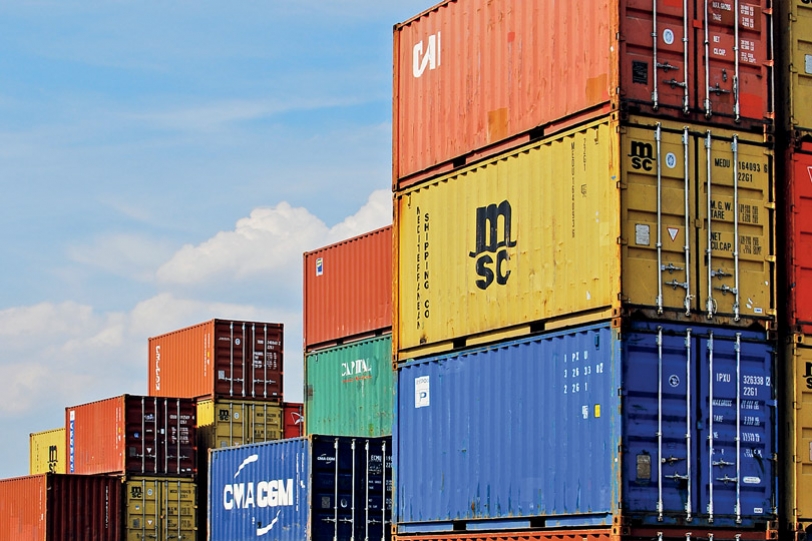
The logistics sector plays a major role in the world of import and export, and rightfully so. Besides saving precious time and costs, a well-coordinated logistics plan can also minimise the occurrence of unnecessary mistakes, and ultimately, consequences of errors.

How do you build up a good logistics system, then?
Technology is a major factor that can help aid logistical processes. There is a wide range of logistics software in the market, all of which can be leveraged to boost your logistical operations and increase productivity. For example, good logistics software can help with freight forwarding, transport, distribution, supply chain, warehouse optimisation and more.
As your business expands, so will your operational and administration demands. Your business will need to handle inventory management, customer fulfilment, stock levels and manufacturing – imagine the amount of data and spreadsheets! A software can band all these together. You will be able to check your stocks, see which items are the most popular, and your customers will be able to view their orders too. This saves time, effort, and – most importantly – minimises mistakes so that you can focus on the other aspects of your business. According to Mr Adrian Tang, managing director of Champ Electronics & Systems, in a case study on the Singapore Infocomm Guide website (www.infocommguide.com), the electronic components dealer was looking into a warehouse automation system. The bar-coding system would help his staff keep track of stock in an organised manner, which would in turn eradicate instances of obsolete products and unnecessary losses.
If you’re a new start-up, or a small to mid-sized business that is still relying on spreadsheets, invoices, emails or even fax or letters and hasn’t fully embarked on the logistics software bandwagon, here are some of the key systems that you can explore:
1. Warehouse Optimisation: Unleash the Full Potential of Your Warehouse
Warehouse optimisation plays a crucial role in the logistics and supply chain sector. A typical warehouse management software can help staff streamline product placements, prioritise tasks, maximise productivity standards and increase logistical efficiency and minimise unnecessary errors and costs. There are a great number of advantages that come along with a warehouse management software, and this includes real-time inventory control, improved shipping accuracy, cross-docking, yard management, and most importantly, improved customer service – your customers can now track and trace their orders on their own, any time they need to.2. Transportation and Distribution Solutions
Technology can make it easier for you to deliver your goods, and even help you coordinate your schedules, routes and avert hazards. These optimised inbound and outbound transportation processes will enable companies to enhance customer service and reduce overheads at the same time. A transport and distribution software eliminates the bulk of the use for error-prone manual work, right from ordering to hassle-free transport planning and delivery, all the way to billing. Likewise with warehouse optimisation, a good transportation and distribution solution enables customers to track their orders.3. Overcome Challenges of Complex Operations with Yard Management
A yard management software enables companies to connect all logistical activities and improve the flow of goods by managing the movement of goods throughout the supply chain process. Examples include reducing dock congestion, optimising door utilisation and real-time visibility on the yard and yard inventory. Such a system can be used together with existing systems like the abovementioned transportation management and warehouse management solutions to boost efficiency and enhance accuracy during operations.
4. Reduce Supply Chain Costs through Supply Chain Inventory Management
Major shippers around the world are all using technology to eliminate inefficiencies throughout the supply chain to ensure smooth planning and execution of operations. A good supply chain management software can help users enhance inventory data collection, minimise delays and improve sales orders.
5. Get the Most Out of Cloud-Based Solutions
A cloud-based logistics software can provide real-time data to businesses and customers, regardless of location or time zone. This flexibility also proves to be extremely effective for business who are looking into global expansion as relevant information is made available to involved parties at any time, from anywhere.
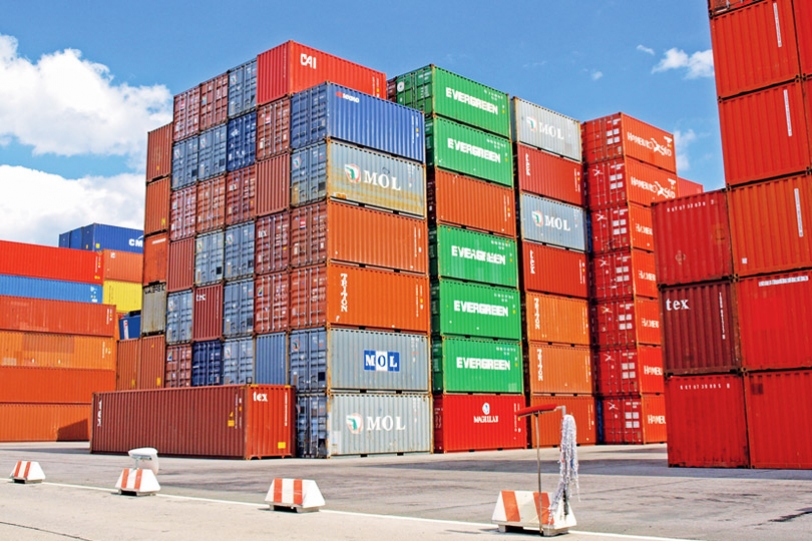
How has the logistics industry in Singapore has evolved over the years? What is being done to help Singapore maintain its position as one of the region’s leaders in the logistics sector?

Logistics – The Early Days
According to the Singapore Logistics Association (formerly the Singapore Freight Forwarders Association), freight forwarding began to take shape in the 19th century along with the development of entrepôt trade, where Singapore was a “bustling centre for the exchange of products of Europe, India and China”, and this opened up opportunities for storage, cargo insurance and local forwarding.
In the early 80s, Singapore-based freight forwarders began expanding to Indonesia, Malaysia, Thailand and the Philippines. After the recession in the mid-80s, companies began to expand their range of services. For example, those who concentrated on air freight started to show interest in sea freight, and vice-versa. The mid-80s also saw an increasing shift into warehousing and distribution. Later on, freight forwarders progressed, and went on to include services like warehousing, inventory management, configuration – all which are broadly referred to logistics.
Fast forward a few decades, and Singapore has become one of the region's leaders in logistics, and is home to specialised logistics capabilities like healthcare and cold chain, chemical, aerospace, art and wine logistics. It also ranked as the top logistics hub in Asia in the 2012 and 2014 Logistics Performance index by the World Bank.
Going Global
Singapore is one of Asia's leading global business and financial centre, and its strategic location has also encouraged businesses in the region and around the world to explore business opportunities. According to the Singapore Economic Development Board (EDB), there are two industry trends which suggest that Asia will be the home of future global leaders of transport and logistics. The long-term shift in trade and investment from the West to East was cited as one of the reasons for growth, with further growth attributed to Asia's early advantage in low-cost competition and “frugal engineering”, which is “a product design approach that emphasises using the bare minimum of resources to create basic, no-frills products”.
Excellent Connectivity
The logistics sector in Singapore is also known for its technological capabilities. For example. TradeXchange®, an initiative led by Singapore Customs, the EDB and the Infocomm Development Authority of Singapore (IDA) facilitates the exchange of information within the trade and logistics facility. TradeXchange® also offers a single electronic window for integrated workflow, submissions and enquiries to the sea ports, airports, maritime authorities, Customs and Competent Authorities. This results in simplified and seamless trade transactions across the supply chain which will yield higher productivity, business agility and, ultimately, strengthen Singapore's competitiveness in the global trade and logistics sector.
Industry Outlook for Singapore’s Logistics Industry
The EDB and SPRING Singapore has drawn up a five-year roadmap to increase the long-term productivity of the logistics and transportation industry.
This S$42 million Logistics and Transportation Productivity Roadmap will boost the long term productivity of the logistics and transportation industries and in turn, enhance productivity in the manufacturing and services sectors as well. The roadmap will help select segments of the logistics and transportation industry increase the value-added (VA) per worker by about 30 per cent to reach S$130,000 by 2015 and focuses on:
- Enhancing Supply Chain Management Expertise
Supply chain management (SCM) is a strategic competitive advantage and key differentiator for global industry leaders. By enhancing their SCM capabilities, companies in Singapore can work towards higher productivity and lower operating costs. Under this initiative, the EDB will strengthen the SCM expertise by encouraging leading industry players to facilitate knowledge transfer of global best practices and know-how to Singapore.
Developing SCM expertise specifically for Asia also serves as an additional differentiating factor as it will help businesses in Singapore navigate the trade landscape in the region and capture new growth with rising intra-Asia trade. For example, the EDB is working with logistics companies to train supply chain managers on building new practical knowledge on the operating landscape in Asia and harnessing opportunities for supply chain optimisation.
Logistics companies in Singapore are also given opportunities to develop specialised capabilities and solutions for the manufacturing and services industries. Industries where logistics companies can develop specialised capabilities include biomedical sciences, perishables, oil and gas and aerospace. EDB and SPRING Singapore are continuously working with academic institutions to equip students with the relevant skillsets, and the EDB will also work with leading logistics players to develop these specialised capabilities.
- Enhancing Innovation and Improving Efficiency at Enterprise and Industry level
The Centre of Innovation for Supply Chain Management (COI-SCM) was launched in 2011, and serves as the platform and one-stop centre to assist companies in appreciating efficiency gains through process innovation, use of technology and automation, process re-design and re-engineering. It also helps help logistics companies develop expertise through training courses. This enables the logistics industry in Singapore stay relevant to the new demands from their customers through continuous innovation and improving efficiency. SPRING also encourages enterprises in Singapore to innovate and consider new business models to drive efficiency and productivity and work towards enhancing business capabilities and gaining market share.
The logistics and transportation is also one of the 16 priority sectors to benefit from the National Productivity and Continuing Education Council (NPCEC) initiative. Set up in April 2010, the NPCEC Council aims to achieve national productivity growth of two to three per cent per annum by 2030 by focusing on developing:
- National productivity initiatives at the sectorial, enterprise and worker levels
- A comprehensive, first-class national Continuous Education and Training (CET) system; and
- A culture of productivity and continuous learning and upgrading in Singapore.
With such initiatives and support from government associations for continuous development, combined with Singapore’s strategic location, world-class infrastructure and stellar global connectivity, the nation’s logistics industry is set to reach even greater heights.
This article was written with contributed input from the Singapore Logistics Association's (formerly known as the Freight Forwarders Association) 1998 publication, “Towards the New Millennium”.
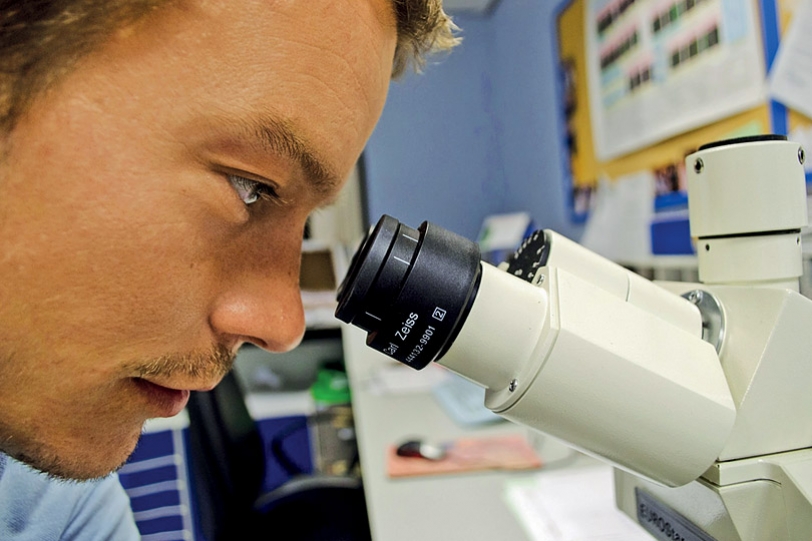
The biomedical science sector has been on the rise in Singapore since the turn of the millennium, when the government declared life sciences as the "fourth pillar" of Singapore's manufacturing sector.

Springing into Life
With its determination to transform Singapore into a world-class biomedical hub, the government has overseen tremendous progress over the years. This has been achieved by attracting leading players in the sector to set up operations here, while implementing forward-thinking policies to support the development of a flourishing research and development (R&D) ecosystem and an advanced manufacturing base.
From its modest beginnings, the biomedical sector here has grown to become one of the key sectors in Singapore's manufacturing landscape, accounting for 8.2 per cent (or S$23.7 billion) of total manufacturing output in 2013. The biomedical manufacturing cluster was also the second-largest contributor to manufacturing valued added at 20.5 per cent, while value added per worker was an impressive S$706,000.
Positive Outlook
Looking forward, there are even more reasons to be optimistic. While the biomedical market is expected to see only moderate growth in the mature economies, the growth economies are set to see significant growth in the years ahead. The World Bank has already forecasted the middle class in Asia to grow six-fold from the current 500 million to 3 billion by 2030.
This rapidly expanding middle class, coupled with longer life expectancies, will see greying populations in many Asian nations. In turn, this will escalate rapid growth in demand for healthcare services. The Economist Intelligence Unit estimates healthcare spending in Asia to rise to US$2.1 trillion by 2017. This represents an annual growth rate of 7.1 per cent, significantly outperforming the expected global average growth rate of 4.6 per cent.
In the Business Expectations of the Manufacturing Sector report released in October 2014, the Economic Development Board of Singapore (EDB) reported that the biomedical manufacturing cluster was optimistic about business conditions in the six months ahead, with a net weighted balance of 3 per cent of firms forecasting a positive business outlook.
While the pharmaceutical segment projects the business situation to remain largely unchanged, the medical technology segment is expecting improved business prospects, on the back of upcoming new product launches.
Supporting Research
In the short span of a decade and a half, Singapore has catapulted itself to the forefront of the biomedical science industry. Such rapid growth would not have been possible without the full support of the Singapore government, along with careful planning and concerted efforts to develop the industry.
On the research front, Singapore is now home to more than 7,100 researchers carrying out biomedical sciences R&D across major companies, local universities and public-sector institutes under the Agency for Science, Technology and Research (A*Star) and Ministry of Health (MOH). In fact, more than S$1.5 billion is spent on biomedical R&D annually, with the figure set to grow significantly in the years ahead.
The Singapore government recognises R&D to be an important enabler in the country's economic ecosystem, and has committed S$16.1 billion towards its Science, Technology and Enterprise Plan 2015 (STEP 2015). Of this investment, S$3.7 billion has been set aside to support biomedical science research efforts between 2011 and 2015.
This support goes beyond just funding though. Much effort has gone towards creating an ideal R&D ecosystem for the sectors. These include establishing leading public sector research institutions, attracting top scientific talent from around the world, building up the local research talent pool, supporting IP protection and promoting public-private partnerships to match companies’ R&D efforts to expertise within Singapore’s public research cluster.
This commitment further finds its physical manifestation in the Biopolis @ one-north development. The two-million square feet integrated complex is billed as the premier research hub for the biomedical sciences industry, and home to key public and private biomedical research institutes and organisations, carrying out the full spectrum of R&D activities the sector requires.Manufacturing Success
Besides a strong R&D ecosystem, another factor behind Singapore’s success as a biomedical sciences hub is its advanced manufacturing base. The Republic is a trusted and competitive manufacturing site for many biomedical firms, with seven leading biopharmaceutical companies and 25 medical technology companies already here.
In addition, the JTC Corporation (JTC) – Singapore’s premier Government agency leading the development of industrial spaces – has been working closely with the Bio-pharmaceutical Manufacturers Advisory Committee (BMAC) to design and develop customised spaces to meet the specific needs of industry players here.
One of the fruits of this collaboration is the Tuas Biomedical Park (TBP). The 312-hectare TBP is a world-class manufacturing hub, which houses the manufacturing operations of major pharmaceutical, biotechnology and medical technology companies, such as Abbott, Ciba Vision, GlaxoSmithKline, Lonza, MSD, Pfizer and Roche just to name a few.
Biopharmaceuticals and Medical Technology
For Singapore’s biomedical sciences sector, most of the production – around 77 per cent – is dominated by biopharmaceutical output. Besides the infrastructure in place for such manufacturing, Singapore has also steadily built up a manpower base that is ready for future needs, counting more than 4,800 skilled engineers and technicians.
In 2011, the biopharmaceutical sector contributed about S$22.8 billion in output and more than 6,000 jobs. The same year also saw the sector expand by more than 30 per cent. In fact, according to Datamonitor research, Singapore was the third fastest growing nation globally in the export of pharmaceutical goods from 2000 to 2010.
Meanwhile, although the medical technology sector occupies a relatively low base, it has demonstrated much growth potential. The sector has almost tripled its manufacturing output from S$1.5 billion in the year 2000 to about S$4.3 billion in the year 2011. Over the same period, its manpower base more than doubled from about 4,000 to 9,000. By the year 2015, the sector targets to achieve S$5 billion in manufacturing output.
Currently, a wide variety of medical products, ranging from syringes and catheters, to research instruments and scientific analytical equipment, are manufactured Singapore. The medical technology sector also benefits greatly from the significant presence of electronics and precision engineering firms, which they can count on for technical backing.
Strength to Strength
Looking ahead to the future, Singapore is set to build on its current success in the biomedical sciences sphere. With further enhancements to its already impressive R&D ecosystem and advanced manufacturing base, it stands to further grow its share of the global biopharmaceutical and medical technology markets.

Singapore is renowned for being a food paradise - its local cuisine a wonderful melting pot of Chinese, Malay and Indian flavours, as well as many other unique influences. Besides a bustling food and beverage (F&B) scene, the Republic is also home to a thriving food manufacturing sector that is successfully bringing the taste of Singapore to international markets.

The food manufacturing sector has been on a path of consistently healthy growth over the years. According to the Economic Development Board of Singapore (EDB), the industry made total sales of about S$8 billion in 2012. Meanwhile, Singapore’s food exports to the world reached over S$4.5 billion in the same year, reflecting an exceptional Compound Annual Growth Rate (CAGR) of 12.9 per cent across ten years.
This strong growth in food exports is no accident, but the result of a strong positioning Singapore’s food manufacturers have built up in overseas markets over the years. In 2004, International Enterprise (IE) Singapore launched the Tasty Singapore initiative in collaboration with Singapore Food Manufacturers’ Association (SFMA) and Singapore Manufacturing Federation (SMF).
To qualify as a Tasty Singapore Brand Ambassador, brands need to meet stringent hygiene and food safety standards, among others. But those efforts are very much worthwhile as the Tasty Singapore mark provides a powerful brand identity for Singapore’s food manufacturing and F&B firms when venturing abroad. The brands are also promoted in key overseas markets through business missions, trade shows, food festivals and other retail promotions.
A Positive Outlook for Exports
With Singapore’s relatively small domestic market, it’s not surprising that many food manufacturers are looking to international markets to increase their sales and grow their businesses. In that regard, Asia is an ideal region for Singapore food manufacturers to turn their sights to.
After all, the Asian middle-class is fast becoming one of the most important groups of consumers around, expected to account for 80 per cent of the growth in middle-class global spending from 2014 to 2030. Witness how Singapore’s total F&B exports to Asian markets grew by about 37 per cent between 2008 and 2012 to reach nearly S$3 billion. And while Malaysia and China are currently the top two markets for Singapore’s food exports, emerging markets such as Cambodia have been posting exceptional growth too.
Made Better in Singapore
The food manufacturing sector in Singapore is made up of some 750 companies, dominated mainly by local small and medium enterprises (SMEs). Together, these firms produce a wide variety of food products – including flavorings, sauces, ready meals, noodles, confectionery and beverages – serving both the domestic and export markets.
The Singapore Government is very much committed to helping the development and growth of this important sector. A Bain & Company international benchmarking study commissioned by SPRING Singapore found that while Singapore food manufacturers have strong and established brands and products, they were lagging behind countries such as the US, Japan and Korea in terms of productivity.
To help companies respond better to the challenges of lack of scale and operation inefficiency, manpower shortages and rising business costs, the Singapore Government has been encouraging companies to embrace productivity improvements.
One such initiative has been the S$45 million Food Manufacturing Productivity Plan launched by SPRING Singapore in 2011, which seeks to raise the sector-wide nominal value-added (VA) per worker by 20 per cent across five years. Another initiative in the works is the Food Hub at Senoko. Set to be ready in 2017, the facility will provide key infrastructure and shared facilities to help reduce operating cost, increase productivity and raise operational efficiencies.
Adding Value to Food Products
Beyond helping Singapore food manufacturers improve their cost and operation efficiencies, there have also been many efforts to help them add greater value to their products. One key initiative was the establishment of the Food Innovation and Resource Centre (FIRC) in 2007, a joint collaboration between SPRING Singapore and Singapore Polytechnic.
The FIRC helps provide local companies with access to food technology consultancy and platforms to develop new products, grow productivity and increase product shelf life. Over the years, the centre has also grown and extended its services to areas of food packaging and new product developments for niche markets such as the Halal market.
In 2014, the Singapore Food Manufacturing Association (SFMA) also launched the Great Singapore Food Gift Award – an industry award to recognise food that best exemplify the “Product of Singapore” brand. The award also serves to encourage manufacturers to market their food products as gift items, which have a stronger sales value.
Ready, Set, Grow
With so much going for them, Singapore food manufacturers look set to further grow their business in the years ahead. Exports will definitely be an important area of focus, with the task at hand to improve their productivity, enhance the competitiveness of their products, and fully capture the tremendous growth potential in the regional Asian markets.

According to Ministry of Trade and Industry (MTI) Singapore, the Singapore economy grew by 2.1 per cent on a year-on-year basis in the fourth quarter of 2014, compared to the 2.8 per cent growth in the previous quarter. For the whole of 2014, the Singapore economy expanded by 2.9 per cent, slower than the 4.4 per cent in 2013.

The manufacturing sector contracted by 1.3 per cent year-on-year, a reversal from the 1.7 per cent growth in the previous quarter. The contraction was primarily due to the transport engineering and electronics clusters.
The construction sector eased to 0.7 per cent year-on-year, from 1.1 per cent in the previous quarter, due to private sector construction activities.
The wholesale & retail trade sector expanded by 0.6 per cent year-on-year, moderating from the 2.1 per cent growth in the preceding quarter. The moderation in growth was due to slower growth in the wholesale trade segment.
The transportation & storage sector contracted by 0.4 per cent year-on-year, compared to the 0.1 per cent growth in the previous quarter, mainly due to the water transport, and storage & other support services segments.
Growth in the finance & insurance sector surged to 10.3 per cent year-on-year, from 9.9 per cent in the previous quarter, with growth that was supported mainly by the fund management activities and insurance segments.
The business services sector expanded at a faster pace of 2.9 per cent year-on-year, compared to 4.0 per cent in the previous quarter. Growth was mainly due to the rental & leasing, and other professional, scientific & technical activities segments.
On a year-on-year basis, the information & communications sector grew by 4.4 per cent, an increase from the 4.0 per cent growth in the previous quarter.
Growth in the accommodation & food services sector improved slightly to 1.3 per cent year-on-year from 1.0 per cent in the previous quarter. On the other hand, growth in the “other services industries” grew by 2.4 per cent, an improvement from the 1.6 per cent growth in the preceding quarter.
Total Trade
Based on the International Enterprise (IE) Singapore’s December 2014 trade performance review, Singapore’s total external trade increased by 2.3 per cent in December 2014, following a 0.8 per cent increase in the previous month, due to the rise in both electronic and non-electronic NODX. Oil trade declined by 5.5 per cent in the third quarter of 2014, after an increase of 8.2 per cent in the previous quarter. Non-oil trade declined by 2.7 per cent in the third quarter of 2014, following the previous quarter’s 0.9 per cent increase.
Oil Domestic Exports
On a year-on-year basis, oil domestic exports declined by 22.0 per cent in December 2014, after a contraction of 16.6 per cent in the previous month. The year-on-year decline of oil domestic exports was mainly due to lower sales to Malaysia (-34.2 per cent), Hong Kong (-38.9 per cent) and China (-39.9 per cent). In terms of volume, oil domestic exports rose by 5.9 per cent in the December 2014, following the 0.1 per cent increase in the previous month.
Non-Oil Domestic Exports
On a year-on-year basis, the non-oil domestic exports (NODX) increased by 2.3 per cent in December 2014, following the previous month’s 0.8 per cent growth, due to expansion in both electronic and non-electronic NODX.
Electronic domestic exports rose by 0.4 per cent in December 2014, following the previous month’s 10.2 per cent contraction. Non-electronic NODX rose by 3.2 per cent in the third quarter of the same year, following the 6.2 per cent increase in the previous month. The rise in non-electronic NODX was led by specialised machinery (+25.9 per cent), food preparations (+54.8 per cent) and non-electric engines & motors (+278.2 per cent).
Non-Oil Re-Exports
Non-oil re-exports (NORX) rose by 8.7 per cent in the December 2014, after the previous month’s rise of 3.5 per cent. The rise in NORX can be attributed to an increase in both electronic and non-electronic NORX. On a year-on-year basis, electronic NORX increased by 10.9 per cent in the December 2014, following a 5.7 per cent rise posted in the preceding quarter. This is due to ICs (+17.8 per cent), telecommunications equipment (+32.7 per cent) and diodes & transistors (+19.1 per cent). Non-electronic NORX increased by 6.3 per cent in December 2014, after the previous month’s growth of 1.2 per cent. The rise in non-electronic NORX was due to printed matter (+495.8 per cent), electrical machinery (+55.6 per cent) and personal beauty products (+40.6 per cent).
2015 Outlook
According to MTI, the Singapore economy is expected to grow by 2.0 to 4.0 per cent in 2015. Although MTI expects the global growth in 2015 to pick up modestly, the pace of recovery is likely to remain uneven across the economies. Supported by domestic demand, growth in the US is expected to improve in 2015. While the growth in the Eurozone is expected to pick up in 2015, the pace of recovery is likely to remain weak. Growth in Japan is expected to remain sluggish in 2015 due to its fiscal consolidation efforts, and China’s growth is expected to ease further in 2015 on the back of sluggish real estate activities, while key ASEAN economies like Malaysia and Indonesia are expected to remain resilient in 2015.
The MTI also reported that domestically, the labour market is expected to remain tight, with low unemployment and rising vacancy rates. Against this global and domestic backdrop, the growth outlook for Singapore remains modest. In tandem with the expected pick-up in external demand, externally-oriented sectors such as manufacturing, wholesale trade and finance & insurance are likely to provide support to growth. While some domestically-oriented sectors such as businesses services are expected to remain resilient, labour-intensive ones like construction, retail and food services may see their growth weighed down by labour constraints.
In January 2015, the Monetary Authority of Singapore (MAS) also its move to slow the appreciation of the Singapore dollar, which also points to good news for exporters by making their exports more competitive.
Sources: International Enterprise (IE) Singapore, Ministry of Trade and Industry (MTI) Singapore, and Monetary Authority of Singapore (MAS). For more information, please visit IE Singapore’s website at www.iesingapore.gov.sg or MTI’s website at www.mti.gov.sg.