
Importance of the Building and Construction Sector
Within 50 years, Singapore made the rapid transformation from an underdeveloped Southeast Asian city state to a modern First World economy and one of the key business hubs of the region. As its economy grew, so did its urban landscape and infrastructure develop to keep pace with the needs of its inhabitants.Through the years, the building and construction sector has benefited immensely from the rapid pace of urban development, with both the public and private sector creating strong demand for their services.
The construction industry is worth around S$36 billion, accounting for 5 per cent of national GDP. It is made up of 12,500 firms and employs 320,000 workers. However, 5 per cent of the large firms contribute half of the total value add of the industry. The remaining are SMEs and there is usually a great disparity in productivity between large and small firms.
Looking forward though, the industry has come to a crossroads precipitated by the current economic restructuring, and will need to find ways to adopt new technologies and innovations to boost productivity and reduce manpower reliance.
Taking the Lead in Raising Productivity
In Singapore, the government has been taking a strong lead to help the building and construction sector enhance productivity and innovation through adoption of new technologies. In this respect, the Building and Construction Authority (BCA) is the lead government agency tasked with guiding the transformation.In 2010, the BCA formulated the Construction Productivity Roadmap (CPR) and launched the S$250 million Construction Productivity and Capability Fund (CPCF) to boost construction productivity. Another S$335 million was topped up to the fund in 2014 to quicken the pace of re-structuring.
Tightening Foreign Manpower Supply to Spur Change
Speaking in the Budget debates in March 2015, then Senior Minister of State (SMS) for National Development Lee Yi Shyan shared that the roadmap had adopted a 3M Framework, which tackled the productivity issue through three areas: manpower, machines and methods.For starters, the plan looked to spur change by reducing the sector’s heavy reliance on foreign workers. With international best practices showing that when workers are skilled or multi-skilled, construction projects typically require fewer workers while maintaining the same levels of quality, the government progressively tightened the foreign worker supply while increasing foreign worker levies.
To improve the skills of workers in the sector, the BCA set aside funds for their training and development, while introducing policies to favour the retention of higher-skilled foreign workers. Between 2010 and 2014, BCA funded training that helped the industry upgrade more than 74,000 in-service personnel from 6,000 firms.
In recent times, the sector has also responded with its own initiatives, with the Singapore Contractors Association (SCAL) launching its Foreign Construction Worker Directory System in October 2015. The online directory allows skilled foreign construction workers to list out their skill sets, thus enabling construction firms to source for trained workers reaching the end of their work permits. The net result is an increase in construction productivity through retention of skilled workers.
Better Technologies to Strengthen Productivity
The adoption of better technologies and methods of construction has been the other key aspects of the first productivity roadmap. Between 2010 and 2014, some 880 firms received funding from the Mechanisation Credit scheme. In addition, some 135 of these firms also received Investment Allowance, a tax credit, for purchasing productive machineries.One key technology that has been widely adopted in recent years is Building Information Modelling (BIM). This computer technology allows building performance to be simulated digitally, so that design conflicts can be collectively resolved upfront. This avoids costly reworking and wastage at later stages, saving time and effort.
Since its introduction in 2012, more than 80 per cent of the larger consultancy firms and 60 per cent of the larger contractors have adopted BIM. BCA has been pushing for the industry wide adopt of this technology to increase the productivity of the sector.
New Construction Methods to Enhance the Building Process
In terms of methods, the BCA has been pushing for the adoption of Prefabricated, Prefinished Volumetric Construction (PPVC) and the use of Cross Laminated Timber (CLT) in construction. PPVC is a method of construction in which apartment and room-sized volumetric units are fully fitted out and finished, before being transported to the construction to be installed into the building by stacking on top of one another. The PPVC method can potentially achieve up to 50 per cent savings in terms of manpower and time, depending on the complexity of the projects.In the CLT method, cross laminated timber is used for structural and wall components to replace concrete and steel bars, and brick walls. CLT is produced by pressure-gluing multiple layers of timber such that the wood grain of each layer is at 90 degrees to that of the next layer, redistributing the weight.
The resulting CLT panel is capable of bearing loads similar to that of concrete, but is 80 per cent lighter. Thus, the foundation for a building constructed with CLT will not have to bear as much weight. CLT allows for faster construction with fewer on-site staff, thus the waste, noise and dust pollution on the surrounding community. So far, the public sector has been pioneering the use of these methods of construction, although private sector developers are starting to incorporate them into their building designs too.
The Second Construction Productivity Roadmap
In many ways, the first Construction Productivity Roadmap (CPR) has largely achieved its objectives. Based on an industry survey, more than half of the firms have embarked on their productivity journey to explore alternative ways to build smarter, as a result of the productivity measures under the first Construction Productivity Roadmap. Site productivity, which measures the floor area completed per man day, has also been improving at an increasing rate. Site productivity improvement has also been a steady 1.4 per cent per annum from 2010 to 2014.With that in mind, the Ministry of National Development (MND) announced the Second Construction Productivity Roadmap in the 2015 Budget. Building on the 3M approach of the first roadmap, the latest plan added two new thrusts. The first thrust is the adoption of Design for Manufacturing and Assembly (DFMA). In simpler terms, DFMA requires the industry to manufacture as many building parts as possible in a factory. The prefabricated parts are then transported on site for assembly. In his Budget speech in March 2015, SMS (National Development) Mr Lee Yi Shyan shared that firms need new capabilities in design, engineering and manufacturing to embrace DFMA well.
The second thrust is to encourage the development of deep capabilities in the industry, helping the most progressive firms here move up the value chain by acquiring R&D, engineering and design capabilities. This thrust calls for the development of in-house cross-functional teams comprising architects, engineers and project management professionals.
To further fund the enhancement of construction productivity, S$450 million was set aside for the second tranche of the Construction Productivity and Capability Fund (CPCF) from 2015 to 2017 to help the built environment sector make higher investments in impactful productive technologies and improve the quality of its workforce. This is in addition to the current $335 million committed to help drive productivity in the sector.
Every Little Step Adds Up
Beyond the first and second Construction Productivity Roadmaps (CPRs), the BCA continues to collaborate with the industry at large on many other initiatives. For example, the BCA announced in October the first grant call for construction productivity under a research fund by the Ministry of National Development. Under this grant call, S$2.6 million will be used to fund research institutes and industry players to further develop game-changing construction technologies and increase their adoption in the built environment sector.Concurrently, the BCA also announced a revised tender evaluation framework for government construction projects will raise the weightage of productivity from 3 to 6 per cent, up to 10 per cent of the overall score from January 2016 onwards. This means that contractors with good productivity records in their past projects, along with investment in technology adoption and workforce development, will enjoy an advantage during such tender evaluations.
All in all, it can be seen that much time, efforts and resources has been directed towards the enhancement of construction productivity in Singapore. In many ways, this comes as little surprise given the economic importance of the building and construction sector, and amidst the rapid pace of Singapore’s economic transition.

While Singapore is relatively land scarce, it has been strategically optimising the available space to ensure that industries – especially high value add sectors such as finance, technology and biomedicine – are able to find the right locations for their businesses to grow and expand. With Singapore’s economy rapidly developing in recent years, let us review how commercial and industrial spaces have evolved in tandem.
Where Space is at a Premium
Singapore’s Grade A office space is predominantly found in the Central Business District (CBD), consisting of the major areas such as Tanjong Pagar, Raffles Place, Shenton Way, Marina Bay, as well as parts of City Hall, Orchard Road and Beach Road. In recent years, the CBD has seen a strong supply of Grade A office space hitting the market. These include Asia Square and Marina Bay Financial city and in the waterfront business district of Marina Bay, CapitaGreen in bustling Raffles Place, as well as South Beach Tower in Beach Road.While banks and financial institutions were traditionally the main tenants at Grade A office spaces, this has been changing in recent years with technology firms also taking up such spaces. Internet giant Google has been occupying four levels at Asia Square Tower 1 totalling around 120,000 square feet, while social media giant Facebook is similarly occupying four floors at South Beach Tower in Beach Road.
Business as Usual in the Suburban
With commercial space in the CBD coming at a premium, many businesses have relocated to suburban business spaces in recent years. While many of these locations such as Pasir Panjang, Paya Lebar, Tampines and Jurong may not boast the prestige of a CBD address, the rental cost savings – sometimes at about half that of a Grade A CBD office – more than make up for it.A number of public agencies have followed suit in shifting to these suburban centres. These include the Ministry of National Development, which has taken up a 30-year lease for 11 levels of office space at the office tower component of Jem, a mixed-use development in Jurong East Central. Meanwhile, the Central Provident Board (CPF) has shifted its corporate operations to Novena Square Towers A and B since November 2015, and putting up its previous office address the CPF Building at 79 Robinson Road up for sale.
Providing Industries with Room to Grow
To further meet the unique needs of specific industries, Singapore has developed many business parks across the island in recent years. The two earliest successes are the 37 hectare International Business Park in Jurong (launched in 1992) and the 71 hectare Changi Business Park (launched in 1997). These two developments provide high value add companies the necessary space to build facilities customised to their specific needs.Recognising the need to create optimum conditions for important growth sectors, Singapore has also developed specialised business parks to house these industry clusters. Perhaps, the most successful example of this is one-north at Buona Vista, a 200 hectare business park developed to house Research & Development (R&D) and high technology industries, such as biomedical sciences, infocomm technology (ICT) and media industries. Developed by the JTC Corporation, the sprawling one-north is further broken up into Biopolis (for biomedical R&D) and Fusionopolis (for IT, infocomm, engineer R&D), as well as Block 71, an incubation space for tech start-ups.
JTC Corporation – which is the lead government agency in Singapore to spearhead the planning and development of a dynamic industrial landscape – has also developed other specialised business parks, such as the Seletar Aerospace Park, Tuas Biomedical Park and Jurong Island to support the growth and development of key manufacturing sectors for Singapore. Such hubs offer industries the benefits of supporting infrastructure, as well as opportunities for collaboration.
Retail and Lifestyle Developments
Moving away from the office and industrial space sector, we can see that Singapore’s retail space sector has been evolving with the influx of new retail and lifestyle concepts locally and abroad. When it comes it prime retail space, the Orchard and Somerset Road shopping belt is still the place to be. This is especially so for international tourists.In recent years, the prestigious retail district has seen new developments such as Orchard ION, Knightsbridge, 313@Somerset, Orchard Central and more. Existing retail destinations such as Wisma Atria, Paragon and Mandarin Gallery have also undergone refurbishments to keep pace with the increasing competition on the scene.
When it comes to luxury retail and dining, one major development has been the Shoppes at Marina Bay Sands. Part of the Marina Bay Sands integrated resorts, the Shoppes offers close to 800,000 square feet of retail space and 270 boutiques and restaurants. Luxury brands will feel at home here with an unprecedented assembly of 15 duplex and triplex stores, offering the right touch of class to match their status.
Shopping in Suburbia
For the retail sector, the shift towards spaces in suburban townships has been evident too. Whereas most suburban shopping centres used to be simple affairs allowing residents to shop for daily goods and essentials, today’s suburban malls are altogether different affairs. Nowadays, the sight of high street fashion brands such as H&M and Topshop would not be amiss at many of these developments.In particular, Tampines and Jurong East – in the east and west of suburban Singapore respectively – have emerged as credible retail destinations in their own right. Tampines is home to three shopping malls – Tampines Mall, Century Square and Tampines 1 – offering different retail tenant mixes. Jurong East is home to four shopping malls – Jem, Westgate, JCube and outlet mall IMM – to cater to the growing resident population in the western part of Singapore.
Ideal Spaces for the Right Businesses
The breadth and diversity of commercial, industrial and retail spaces in Singapore is testament to the foresight of its urban planners. The development of land and business spaces is tightly integrated with the economic development strategy of the nation, ensuring that the right businesses are supported with spaces ideal for them.
A City Evolving Through its Architecture
Seeking the consultation of Dutch economist, Dr Albert Winsemius, Singapore’s leadership embarked on a rapid programme of industrialisation to drive economic growth and create jobs. Foreign investors were courted to set up business in the country, while the nation developed its workforce through education and training.This marked the beginning of Singapore’s rise to become a modern economy and its transformation from a Third to First World country too. In many ways, the evolution of Singapore’s built environment has mirrored that of its economic success and social development. Here, let us look at how the country’s architectural milestones have run parallel to its socioeconomic development.
Renewing the Past for the Future
Right from the start, Singapore’s architectural imprint was an eclectic mix of styles, reflecting its Malay, Chinese and Indian cultures, as well as western influences. This could be seen in the conservation buildings from the era, including major places of religious worship, British Colonial government structures, as well as community enclaves.Even while Singapore was rapidly modernising as a city, the government and urban planners took care to balance that against the preservation of important heritage buildings. This was carried out through the Preservation of Monuments Board, with an initial batch of eight buildings – including major places of religious worship such as the Cathedral of the Good Shepherd, Armenian Church, St Andrew’s Cathedral, Hajjah Fatimah Mosque, Thian Hock Keng and Sri Mariamman Temple – granted legal protection as national monuments.
The conservation efforts continued through the years, with clear principles drawn up for building owners, architects, engineers and contractors to apply in their conservation efforts. The key purpose was to ensure that the original structure and architectural elements of historic buildings are retained and restored as far as possible, without reconstructing the entire building. To date, over 7,000 buildings across more than 100 areas have been conferred conservation status.
Building for the People
One of the major issues facing Singapore as a young nation was the housing crisis. At the time, only 9 per cent of the population were living in public housing, with many inhabiting squatter colonies and city slums with poor hygiene conditions. In 1960, the Housing and Development Board (HDB) was formed with the mission of developing low-cost housing for the people.The initial HDB flats were simple and utilitarian in design and build. These were mostly 1-, 2- and 3-room flats with the most basic of amenities such as electricity and piped water. They were also high-rise and high-density to better cater for the long-term needs of the population. For a population used to urban slums and rural habitats, these spartan flats offered a better quality of life.
Much thought went into the planning of these new public housing estates. In the late 1960s and 1970s, the HDB adopted the New Town approach of integrating residential areas with a town centre, parks, commercial and industrial areas, as well as communal and residential facilities. Toa Payoh was the pioneer new town, while Ang Mo Kio and Bedok followed after.
From the precinct concept to more intimately scaled estates and right up to premium apartment blocks, HDB’s approach towards public housing has continually evolved through the years to cater to the diverse needs and aspirations of the Singapore people. One of the highlights of HDB’s public housing development in recent years has to be the iconic Pinnacle@Duxton in the central district of Tanjong Pagar.
The design for Pinnacle@Duxton was the work of two Singapore-based architecture firms, who emerged winners in an international competition. Completed in 2009, the development comprised of 1,848 premium flats spread across seven 50-storey buildings, which are in turn interconnected by sky bridges on the 26th and 50th levels. Flats from the development which have been resold on the market, have often broken price records – a testament to their desirability.
A Thriving New Business District
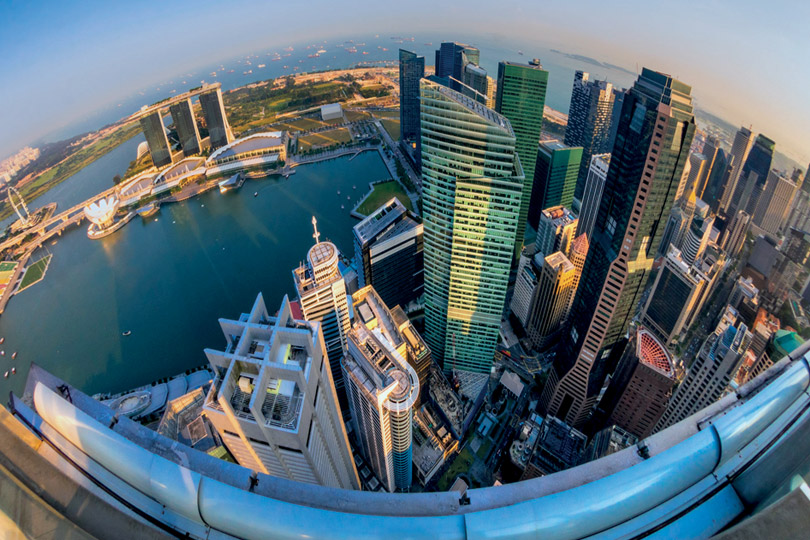
Singapore’s economic success in recent decades has seen the Republic elevated to become one of the major business and financial hubs internationally. Its architectural landscape has also seen a subtle transformation with more iconic designs dotting the landscape. One area which has seen significant change in recent years is the waterfront business district of Marina Bay.In 1983, the Urban Redevelopment Authority (URA) laid out its grand vision for the Marina Bay district in its conceptual master plan. The redevelopment groundwork took place through the years, setting the stage for new and exciting landmarks to populate the area. Taking pride of place in the downtown financial district is the sprawling Marina Bay Financial Centre (MBFC). Designed by New York based architects Kohn Pederson Fox, the MBFC is the new epicentre of Singapore’s financial district, with three distinctive office towers, two residential towers and a retail complex, all clustered around a waterfront park.
A Waterfront of Iconic Landmarks
For visitors to Singapore, there is the iconic Marina Bay Sands integrated resort. Its structural form is distinctive even from far, comprising of three connected hotel towers crowned by a giant SkyPark. There is also the prominent ArtScience Museum with its facade resembling that of an open lotus flower. Further afar, one can also spy the outline of the Singapore Flyer, Asia’s largest giant observation wheel.Living up to its moniker of the Garden City, Singapore also boasts the magnificent Gardens by the Bay. Built on 101 hectares of reclaimed land, this cooled conservatory – designed by Wilkinson Eyre, Grant Associates, Atelier One and Atelier Ten – is a breathtaking marriage of nature, architecture and engineering. It sports a Flower Dome, Cloud Forest and the iconic Supertrees - tree-shaped vertical gardens between nine to 16 storeys tall. In 2012, Gardens by the Bay won the World Building of the Year Award at the World Architecture Festival.
Living in Wonders of Architecture
Singapore has witnessed in recent years several new luxury condominiums with highly distinctive designs by internationally renowned architects. One such development is the Reflections at Keppel Bay, designed by master architect Daniel Libeskind. Completed in 2011, the development features six curved glass towers and 11 fan-shaped villa blocks affording panoramic views of Mount Faber and Sentosa.Another condominium development which has captured the architectural imagination in recent years is The Interlace at Depot Road, which clinched the World Building of the Year at the 2015 World Architectural Festival. Completed in 2013, the residential property was designed by OMA/Ole Scheeren and features 31 blocks of apartments stacked in a hexagonal arrangement, winning the praises of the judges for its bold, contemporary architecture and thinking.
Transforming the Economy Amidst Moderate Growth
In recent times, the global economy has seen great turbulence, owing to financial uncertainties in major economies such as the United States (US) and China. Being one of the most open economies in the world, Singapore has been somewhat affected too. In its October 2015 Macroeconomic Review, the Monetary Authority of Singapore (MAS) noted the local economy to expand at a modest pace for the rest of 2015 and 2016 as it navigates through a challenging external environment.MAS has forecasted Singapore to grow between 2 and 2.5 per cent in 2015, with the following years likely to see a similar growth trajectory. In its latest report, the MAS noted that as Singapore enters the next phase of its economic restructuring, it is crucial for growth to be driven by productivity upgrades. This is amidst a backdrop of tightening foreign worker inflows and a gradually ageing workforce.
Stepping Up Public Works Construction
At the market level, construction demand from private property projects has seen a moderation from the heady heights that had been building up across a number of years. This has been a result of the government’s cooling measures, the ramping up of new public housing developments and the more cautious economic climate. For 2015, the Building and Construction Authority (BCA) estimated that construction demand from private sector developers would ease further from S$18 billion in 2014 to between S$11 billion and S$15 billion.In its place, public sector contracts have taken the limelight. In its 2015 estimate at the start of the year, the Building and Construction Authority (BCA) estimated that the construction sector is expected to secure contracts worth S$29 billion to S$36 billion. Increasingly, the focus is shifting to civil engineering and public infrastructure projects rather than private property.
Building Things Better with New Technology
With the increase in major public infrastructure and developments on the horizon, the task of increasing construction worksite productivity and reducing reliance on foreign manpower has become even more pressing. In this, the Singapore government has been on the front foot for a good number of years now, pushing businesses in the building and construction sector to re-look at their business models and operational systems.For one, the government has been encouraging the adoption of new technologies and methods to boost productivity. One of the earliest technologies it has introduced is Building Information Modelling (BIM). BIM is a computer technology which allows a building’s performance to be simulated digitally, so that design conflicts can be collectively resolved upfront. This avoids costly reworking and wastage at later stages, saving time and effort.
In November 2010, BCA formulated the BIM Roadmap to steer the industry towards wide adoption of Building Information Modelling (BIM) by 2015. This includes measures such as incentivising BIM early adopters, mandating BIM for regulatory approval of building designs, and building capacity and capability. So far, more than 80 per cent of the larger consultancy firms and 60 per cent of the larger contractors have adopted BIM.
Finding New Ways, Overcoming Limitations
Two more strategies which the government has rolled out to boost sector wide productivity is the introduction of Prefabricated, Cross Laminated Timber (CLT) and Prefinished Volumetric Construction (PPVC) for use in local construction projects. CLT panel, while capable of bearing loads similar to that of concrete, are 80 per cent lighter. This allows for faster construction with less workers.Meanwhile, PPVC is a method of construction in which apartment and room sized volumetric units are fully fitted out and finished, before being transported to the construction to be installed into the building by stacking on top of one another. This method has the potential to achieve achieving up to 50 per cent manpower and time savings. So far, the government has thrown the full weight of its support behind PPVC, with plans to release more land to build integrated complexes where build components can be built in a factory setting.
In fact, BCA hopes to have 10 such facilities operational by 2020. Speaking at the opening of SEF SpaceHub, which is the first Integrated Construction and Prefabrication Hub (ICPH) to be built on land obtained from the Building and Construction Authority (BCA), then Senior Minister of State for National Development Lee Yi Shyan noted that the level of prefabrication for building structural systems and wall systems has increased. Mr Lee also said that site productivity has improved at an average of 1.4 per cent over the past four years, with a 2 per cent improvement in 2014.
The Greening of Singapore’s Buildings
Besides raising productivity, the BCA has also committed to the greening of Singapore’s buildings in a big way. In 2005, it introduced the BCA Green Mark Scheme as an initiative to drive Singapore's construction industry towards more environment-friendly buildings. The schemes looks to promote sustainability - promoting energy and water conservation - in buildings and raise environmental awareness among industry players throughout the building and construction cycle.Since 2006, BCA has launched three editions of the Green Building Masterplan. Amongst the early measures introduced was the introduction of a S$20 million Green Mark Incentive Scheme in 2006, an amendment to the Building Control Act to impose minimum standards for environmental sustainability in buildings and promoting research and development into green building technology.
The second Masterplan in 2009 focused on the greening the large existing building stock, with the target for 80 per cent of the buildings in Singapore to be green by 2030. Most recently, the third Masterplan was launched in 2014. The focus this time round was getting building tenants and occupants to adopt energy usage changes, to reduce their overall energy consumption.
Future Developments for the Republic
In 2014, the Urban Redevelopment Authority (URA) released its 2014 Masterplan, which outlined many exciting developments that will create demand for the building and construction sector. With a view towards setting the stage for economic growth and more jobs, URA has developed a three-pronged strategy of sustaining the growth of the city centre with more office and retail space, building more commercial hubs outside the city centre to provide live-work-play options for residents, and developing new industrial clusters for specific industries.The URA is also looking to develop the North Coast Innovation Corridor, a new economic corridor that will be a hotbed of ideas and provide additional land for the expansion of enterprises. The corridor will stretch from the Woodlands Regional Centre across the future Seletar Regional Centre and a redeveloped Sembawang Shipyard area to the Punggol Creative Cluster.
In a September 2014 blog post, Coordinating Minister for Infrastructure Khaw Boon Wan also shared that the Singapore government is contemplating the possibility of developing a master plan for underground spaces. He said that the purpose is to find out how practical underground plans can complement the above-ground master plan to make the city more exciting and liveable. Among the possibilities include underground transport hubs, pedestrian links to utility plants, storage and research facilities, industrial uses, and shopping areas.
Since the launch of the first Green Building Masterplan in 2006, Singapore has made significant progress towards its vision of becoming a green and sustainable city-state. We look at the path the Republic has taken to get there and the milestones which have been achieved.
Shaping a Green and Sustainable City

In the 50 years since its independence, Singapore has swiftly transformed from a trading outpost into one of the major business and financial hubs of Asia. Accompanying the economic progress, there has been a rapid urbanisation of the Republic’s landscape, with residential, commercial and industrial buildings sprouting up to meet the needs of its people and businesses.
In recent times, the Singapore government has taken the lead in promoting sustainability of the built environment. Spearheaded by the Building and Construction Authority (BCA), the Republic has embarked on numerous green building initiatives to realise its vision of a green metropolis.
Success Starts with a Plan
Singapore’s green building journey started in 2005 with the launch of the BCA Green Mark Scheme. Intended as a benchmarking scheme to encourage sustainability in the built environment and to raise environmental awareness amongst builders and developers, the BCA Green Mark Scheme has since emerged as the leading green building rating system for the tropics and sub-tropics today.
Following on this, the BCA launched the first Green Building Masterplan in 2006. The Masterplan comprised of several major initiatives, including the S$20 million Green Mark Incentive Scheme, which encouraged developers to achieve a higher green building rate through direct monetary incentives. Further to that, the Ministry of National Development (MND) also launched a S$50 million Research Fund to encourage the Research and Development (R&D) of green building technologies and solutions.
On the legislative front, the Building Control Act was amended in 2008 to impose minimum standards of environmental sustainability for buildings, and to bring standards for all new buildings to the Green Mark Certified standard. All in all, the first Masterplan was instrumental in laying down the foundation for Singapore’s green building push, as well as setting the scene for further developments down the line.
Making the Buildings Greener
Building on the groundwork laid by the first Masterplan, the BCA launched the Second Green Building Masterplan in 2009. Based on consultations with the industry and experts, the Masterplan championed a sustainable built environment for Singapore, by promoting a strong business case for green buildings. The Masterplan also set an ambitious target for Singapore’s built environment, which was to have at least 80 per cent of the buildings in Singapore attain the BCA Green Mark Certified rating by 2030.
To achieve this lofty goal, the Masterplan laid out a multi-pronged approach, of which one strategic thrust was to have the public sector take the lead. This meant that all new public sector buildings would need to achieve Green Mark Platinum rating, while existing public sector buildings would also need to achieve Green Mark GoldPlus Standard by 2020.
Meanwhile, another strategy was to look at incentives to spur the private sector in this area. Measures under this category include the Green Market Gross Floor Area (GM GFA) Incentive Scheme – which awards additional gross floor area to developers that earn higher-tier Green Mark Awards – and a S$100 million Green Mark Incentive Scheme for Existing Buildings (GMIS-EB), which provided financial incentives for owners of existing buildings to retrofit.
Widening the Conversation
The first two Green Building Masterplans were largely successful, generating much momentum in Singapore’s green building journey. By 2014, more than 25 per cent of Singapore’s buildings had already been greened. Against this backdrop, the Third Green Building Masterplan was launched, with the focus shifting from building developers to building owners, tenants and occupants, and getting them to reduce their energy consumption.
Underlying this push is the S$50 Million Green Mark Incentive Scheme for Existing Buildings and Premises (GMIS-EBP), which provides incentives to building owners, occupants and tenants to undertake and adopt energy efficiency improvements and measures within their buildings and premises. Specifically, the scheme will fund up to half of the retrofitting costs of energy-efficient improvements to buildings and premises, capped at S$3 million for building owners and S$20,000 for occupants and tenants.
Within the Third Green Building Masterplan, the BCA has outlined several initiatives strengthening its leadership position in the local green building movement. Based on the national R&D roadmap on building energy efficiency, BCA will spearhead the S$52 Million Green Buildings Innovation Cluster (GBIC), which will research, develop and bring to market new technologies and solutions for the sector. BCA will also take the lead in providing a holistic training framework, for developing talent and specialists in the design, maintenance and management of green buildings.
Public Sector Leading the Way
That Singapore’s green building movement has been able to take off in the relatively short span of a decade is in no small part due to the support of the government and the concerted efforts of public agencies. Chiefly amongst them is the BCA. The public has agency has also gained international recognition for major achievements such as setting up the Centre for Sustainable Buildings with the United Nations Environment Programme, and being the first government agency outside of America and Europe to receive the International Star Award from the US-based Alliance to Save Energy.
Another important player in the green building movement is the Housing & Development Board (HDB), which is the key agency for the development of public housing flats in Singapore. Amongst its notable initiatives include the HDB Greenprint, which is a comprehensive and integrated framework of goals and strategies to guide greener HDB town development, and create sustainable homes.
The HDB Greenprint is being piloted at Yuhua estate in Jurong, where 38 blocks of flats will be transformed into a “Green Neighbourhood”. Findings from this pilot project – scheduled to be completed by end 2015 – will be used to refine the HDB Greenprint model before it is rolled out to other HDB towns. If successful, residents can look forward to more sustainable and green initiatives such as solar panels, sensor-controlled LED lightings in the near future.
Industry Role in Green Building Journey
Beyond the public sector, the industry as a collective is also contributing to the green building movement. The Singapore Green Building Council (SGBC), an industry association – with prominent members such as real estate heavyweights CapitaLand and City Developments, and public corporations HDB and BCA – is also working to promote green building design, practices and technologies here.
In December 2015, the World Green Building Council, together with green building councils around the world – including the SGBC - launched a new campaign #BetterBuildGreen – in support of the United Nations Climate Change Conference (COP21). The campaign looks to promote the role green buildings can play in reducing carbon emissions, as well as benefits to society and the economy.
In additional, SGBC made several key pledges, such as working with private and public partners to base procurement decisions on sustainability-centred principles. SGBC is also looking to encourage the adoption of Singapore Green Building Product certified products and materials in the built environment. These pledges are on top of its existing commitment to partner the government in efforts to have 80 per cent of buildings in Singapore achieve Green Mark standards by 2030.
The Future is Green
With growing awareness of the importance of green buildings, there has been a corresponding increase in demand for such spaces too. Research has shown that green residential and commercial buildings tend to command a pricing premium, thus further reinforcing the case to go green for developers. Such positive momentum, coupled with the public sector’s green building push, means that the future for green buildings in Singapore looks bright indeed.

The “Green Architecture” movement has been gaining momentum and it doesn’t seem to be letting up anytime soon. The objective of green architecture, or green design, is to reduce the harmful effects of building construction on our health and the natural environment. Some of the ways in which the architect will endeavour to meet green standards is by taking into consideration the materials used, development space and energy consumption and efficiency. This has forever changed the way buildings are now being designed, built and run.
Setting the Benchmark
As we move towards building green and sustainable buildings, certain standards and criteria have to be met before the building is deemed as a green building. In the US, the United States Green Building Council (USGBC) has introduced the LEED (Leadership in Energy and Environment Design) standards, a set of criteria that scores buildings on their design and efficiency. In Singapore, the Building and Construction Authority (BCA) introduced the BCA Green Mark Scheme in 2005. The scheme was aimed at Singapore’s construction industry to steer them towards more environmentally-friendly buildings. Achieving the BCA Green Mark indicates that the company or developer has successfully carried out good construction practices in environmental design and performances which has resulted in green buildings.Ahead of the Field
Going green can pay off in the long run. In recent years, some companies have listed environmentally-friendly features as one of their top criteria when deciding on an office space. In fact, some European countries and the US have made it such that Multinational Corporations (MNCs) are able to claim tax subsidies back home if they are able to become an environmentally-conscious corporation.Of course, there are other benefits. Green buildings will help business owners save on operational costs in the long run by reducing energy usage and increasing energy efficiency. It has been found that green buildings consume 30 per cent less energy on the average. Therefore, even though construction costs may be higher in the beginning than traditional buildings, these costs can be easily recouped through higher savings in energy consumption. Besides lower energy and water consumption, other advantages include lower long-term maintenance costs, higher rental rates, lower vacancies and better marketability overall.
The Global Real Estate Sustainability Report (GRESR) survey conducted annually is “to enhance and protect shareholder value by evaluating and improving sustainability best practices in the global real estate sector”. The report includes a section on building certification. This will affect the rating of the funds as increased taxation, energy costs, fines and other environmental factors will inevitably affect the financial valuations of their investments.
In Singapore’s case, businesses who have obtained the higher ratings of the BCA Green Mark will be able to take advantage of many additional government incentives. The Urban Redevelopment Authority (URA) grants businesses and developments which are aiming for top ratings for the BCA Green Mark additional floor space on top of what the master plan’s gross plot ratio. This will give property developers added incentive to pursue green certification which will then increase the asset’s competitiveness in the market. Thus, green buildings will soon become the foregone conclusion in the future of our society.
Greener Pastures
As the number of green building continue to rise in both Singapore and overseas, what happens to the non-green buildings? Governments can offer incentives to encourage building owners to undergo renovations and retrofitting works to transform their non-green buildings and allow them to become more environmentally friendly. Some ways in which a non-green building can be renovated include incorporating measures to bring down energy consumption or to install recycling features. Some examples include the replacement of chiller plant replacements, upgrading of the heat-recovery systems, installation of energy efficient lighting and optimisation of the air-conditioning systems.Buildings in Singapore who have done the necessary renovation and upgrading works may be eligible for the BCA Green Mark Scheme, according to BCA. In 2008, BCA has stated that all existing buildings must attain the minimum Green Mark rating when replacing their chiller systems. Also, to encourage more owners to turn to eco-friendly practices and improve their energy efficiency, BCA has put forward a S$50 million incentive scheme which will award cash incentives to property owners who have started energy improvement works in their premises. Thus, as more buildings are increasingly converting to green technology and adopting green architecture and design, green architecture looks set for a bright future.
General Information
Date:
|
Venue:
|
|
Time:
|
Admission:
|
|
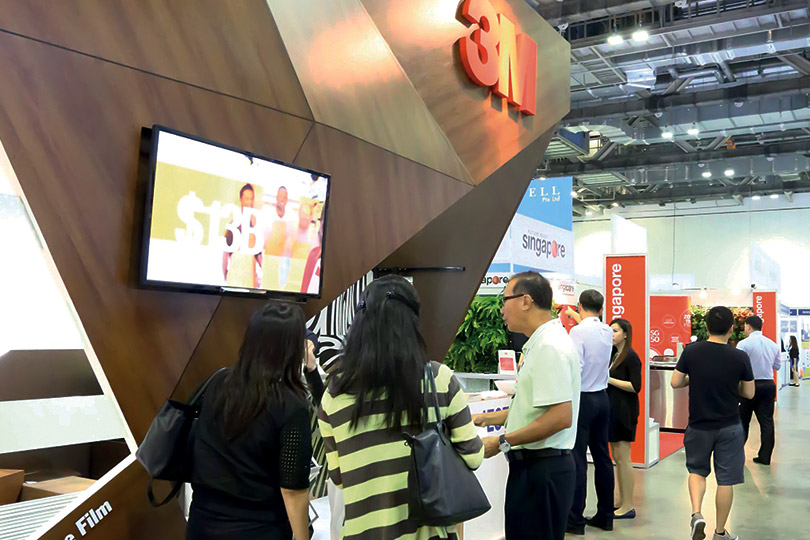
The Architecture & Building Services (ABS) 2016 encompasses six titles: ArchXpo, LED+Light Asia, International Facility Management Expo, Fire & Disaster Asia, Safety & Security Asia and Work Safe Asia. Together, the repertoire of events will be geared towards being the preferred sourcing platform in Singapore and the region, bringing together architects, builders, contractors, developers, engineers, facility managers, government agencies, housing developers and interior designers!
At ABS 2016, source from the highest quality in cutting-edge technologies, innovative products and related services, as well as network with like-minded professionals, key players and delegates during networking events and conferences.

ArchXpo 2016
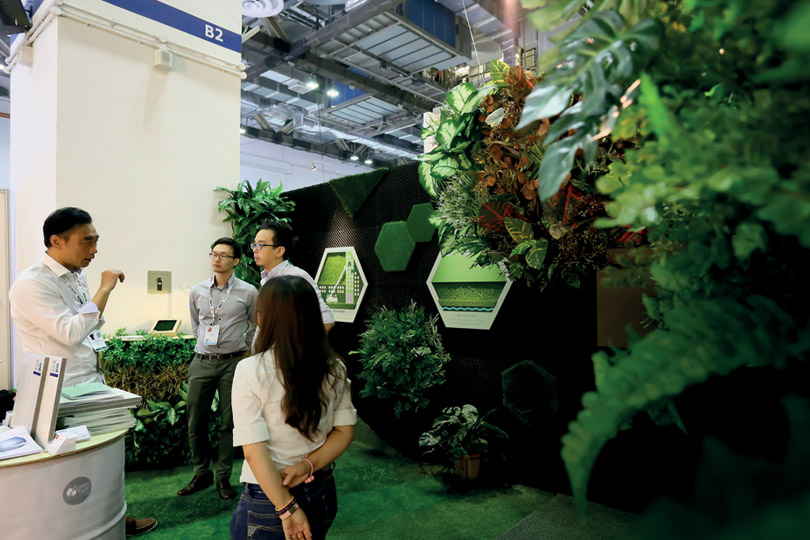
Co-organised by Singapore Institute of Architects (SIA) and Conference & Exhibition Management Services Pte Ltd (CEMS), ArchXpo 2016, the 3rd International Exhibition for Architecture & The Built Environment is the latest addition to the key pillars of the Archifest series.
ArchXpo 2016 will be the key showcase of relevant technologies, products and related services in the architectural and built environment industries. It will also be a key gathering of industry experts and talents that make for excellent architectural and built environment design, as well as an invaluable platform for the exchange of research and innovation in architectural design, practice and education.
For more information, visit www.archxpo.com.sg.
International Facility Management Expo 2016
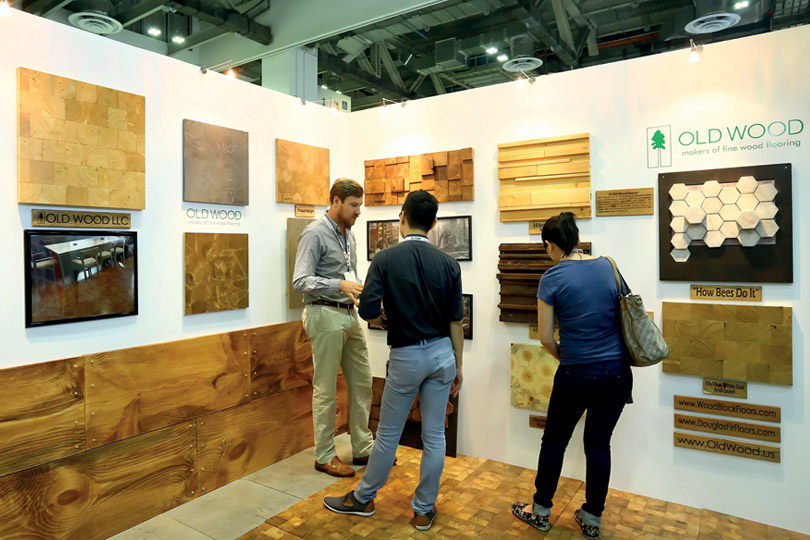
At the International Facility Management Expo 2016, explore a showcase of relevant products, technologies and services in the world of FM for optimal integration of people, places, processes and technology in order to ensure efficient functionality of the build environment. At the same time, network with professionals who want to further their knowledge of their discipline and build contacts within the industry as well.
Join iFAME 2016 today – the key platform in Southeast Asia that brings together the expertise and talents that drive excellent facility management!
For more information, visit www.ifame.com.sg.
This feature is courtesy of Conference & Exhibition Management Services Pte Ltd.

General Information
Date:
|
Venue:
|
|
Frequency:
|
Admission:
|
|
Dress Code:
|
||
Exhibition Opening Hours:
|
|
|
Website:
|
||
The annual Mostra Convegno Expocomfort (MCE) Asia is the leading trade exhibition focusing on energy efficiency and optimised indoor environment quality in the “Cooling”, “Water’” “Renewable Energy” and “Heating” sectors of the built environment.
An extraordinary business and knowledge exchange platform that brings together an international mix of more than 500 solutions-providers and about 12,000 building professionals from Southeast Asia and beyond.

Facts & Figures for BEX Asia 2015
-
500 exhibiting companies from over 35 countries and regions*
-
11,060 visitors from more than 50 countries and regions*
-
79% local, 21% from overseas*
-
46% senior, 37% middle, 17% junior-level professionals*
-
-
More than 330 one-to-one business meetings successfully held*
-
US$125 million expected in green building business transactions*

For Visitors
Why You Should Visit
MCE Asia is your one-stop platform to conveniently source for a plethora of energy-efficient solutions from new innovative players and established brands globally, across the “Cooling”, “Water’” “Renewable Energy” and “Heating” sectors of the built environment. It is where you learn about the latest trends and gain actionable insights that will transform your business. With more than 500 exhibiting companies and over 11,000 visitors, one-to-one business meetings with your preferred suppliers and free seminars, MCE Asia offers an immersive and focused networking environment that sparks conversations and opportunities.Who Should Attend
- Architects
- Asset Managers
- Developers
- Distributors
- Energy Managers
- Facility Managers
- Government Officials
- HVAC Contractors
- M&E Consultants
- M&E Engineers
- Plumbing Contractors
- Project Managers

For Exhibitors
Why You Should Exhibit
MCE Asia brings you closer to the buyers and influencers in Asia, facilitating the sale and export of your energy-efficient solutions for the “Cooling”, “Water”, “Renewable Energy” and “Heating” sectors of the built environment. As a 360° sales and marketing channel, MCE Asia helps your business to generate leads and brand visibility prior, during and after the exhibition.- Year-long, one-stop platform to reach out to the building and industrial community in Southeast Asia
- Forge new partnerships and strengthen existing connections
- Accelerated gatway to export markets
- Promote your brand and demonstrate your expertise
- Be associated with the who’s who
- Benefit from regional media coverage worth more than S$6 million
The following product categories are represented and suitable to exhibit:
- Automatic Controls
- Bathroom Accessories
- Heating, Ventilation, Air-Conditioning & Refrigeration (HVAC-R)
- Measuring Instruments Regulation and Control
- Plumbing Technology
- Renewable Energy
- Valves for Industrial and Domestic Use
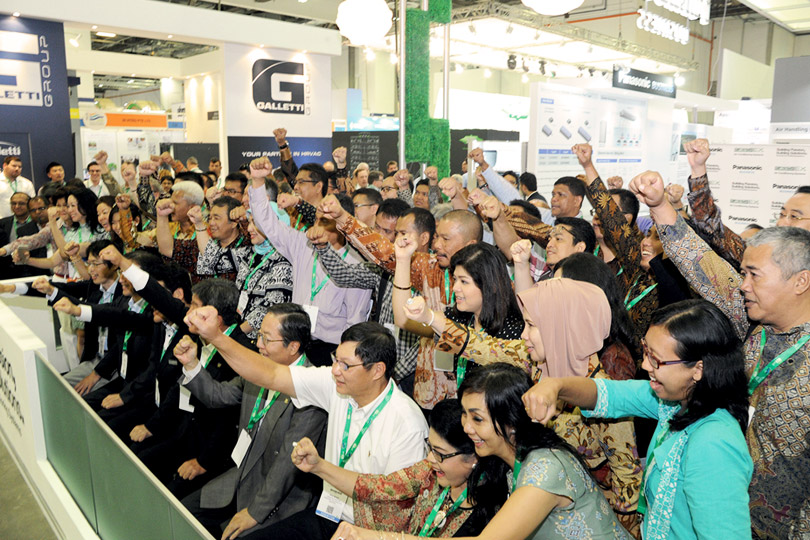
For more information on the MCE Asia 2016 exhibition, contact us at:
Sales Team
Ms Louise ChuaProject Director
Tel: +65 6780 4653
Email: This email address is being protected from spambots. You need JavaScript enabled to view it.
Ms Michelle Goh
Assistant Project Manager
Tel: +65 6780 4573
Email: This email address is being protected from spambots. You need JavaScript enabled to view it.
Mr Wong Wen Kai
Project Sales Executive
Tel: +65 6780 4570
Email: This email address is being protected from spambots. You need JavaScript enabled to view it.
General Enquiries
Tel: +65 6780 4658
Email: This email address is being protected from spambots. You need JavaScript enabled to view it.
All information in this section is contributed by Reed Exhibitions Singapore.

WHERE GREEN PROFESSIONALS CONVERGE IN SOUTHEAST ASIA
General Information
Date:
|
Venue:
|
|
Frequency:
|
Admission:
|
|
Visitors Forecast:
|
Dress Code:
|
|
Exhibition Opening Hours:
|
|
|
Website:
|
||
Build Eco Xpo (BEX) Asia is the global business sourcing, networking and knowledge-sharing platform for the sustainable built environment in Southeast Asia. The event draws together international brands of green building technologies and advancements to the heart of the region’s community of architects, building owners, contractors, consultants, developers and energy managers, for business opportunities and experiential engagements.
With a strategic focus on energy efficiency, BEX Asia stands as the anchor trade platform for the Singapore Green Building Week, held alongside the International Green Building Conference (IGBC) and Mostra Convegno Expocomfort (MCE) Asia, the leading trade exhibition that focuses on energy efficiency and optimised indoor environment quality in the “Cooling”, “Water’” “Renewable Energy” and “Heating” sectors of the built environment.
Facts & Figures for BEX Asia 2015
-
500 exhibiting companies from over 35 countries and regions*
-
11,060 visitors from more than 50 countries and regions*
-
79% local, 21% from overseas*
-
46% senior, 37% middle, 17% junior-level professionals*
-
-
More than 330 one-to-one business meetings successfully held*
-
US$125 million expected in green building business transactions*
For Visitors
Why You Should Visit
- Experience showcases from international brands of green building technologies and advancements, in one convenient location
- Meet your professional needs via first hand access to the latest innovative green technologies and advancements
- Forge business connections with prominent global suppliers
- Learn best practices from industry specialists
Who Should Attend
- Agent/Distributor
- Architect
- Building/Facility Manager
- Building Owner/Developer
- Hotelier
- Consultant/Project Manager/Engineer
- Contractor
- Engineer
- Interior Designer
- Energy Manager
From the Commercial. Residential and Hospitality sectors.
For Exhibitors
Why You Should Exhibit
- 12,000 building professionals expected in 2016
- Increase your brand awareness with us via print, online, social media and PR campaigns
- Get connected with key buyers and influencers in the green building industry via customised business matching
- Present your latest green building solutions and technologies to industry experts
- Expand your network via our partnering organisations
- Architectural
- Concrete & Structural
- Façade & Roof Finishes
- Furniture & Interior
- Lighting
- Mechanical & Electrical
- Smart Solutions and many more…
For more information on the MCE Asia 2016 exhibition, contact us at:
Sales Team
Ms Louise ChuaProject Director
Tel: +65 6780 4653
Email: This email address is being protected from spambots. You need JavaScript enabled to view it.
Ms Michelle Goh
Assistant Project Manager
Tel: +65 6780 4573
Email: This email address is being protected from spambots. You need JavaScript enabled to view it.
Mr Bernard Lim
Project Sales Executive
Tel: +65 6780 4530
Email: This email address is being protected from spambots. You need JavaScript enabled to view it.
Ms Melody Neo
Project Sales Executive
Tel: +65 6780 4570
Fax: +65 6588 3832
Email: This email address is being protected from spambots. You need JavaScript enabled to view it.
General Enquiries
Tel: +65 6780 4671
Email: This email address is being protected from spambots. You need JavaScript enabled to view it.
All information in this section is contributed by Reed Exhibitions Singapore.
About the Awards
The FIABCI Prix d’Excellence recognizes the project that best embodies excellence in all the real estate disciplines involved in its creation. It illustrates concretely the FIABCI ideal of ‘providing society with the optimal solution to its property needs’ and even mature projects are eligible.
Awarded by an international panel comprising top real estate professionals and experts, the FIABCI Prix d’Excellence rewards overall merit and not just aesthetics, functionality or size.
It therefore represents an outstanding achievement and bestows upon the winner the right to use the coveted exclusive award logo. Winners also gain access to unique international platforms for their projects and companies throughout the extensive FIABCI network of more than 60 members’ countries and over 120 professional organizations worldwide.
The Prix d’Excellence is much more than just a beauty contest. It represents projects that are a cut above the rest!
Presented here are the Singapore winners of the 2014 FIABCI Prix d’Excellence.
World Gold Winner - Hotel Category

PARKROYAL on Pickering, Singapore
PARKROYAL on Pickering is located in the Central Area of Singapore, at Upper Pickering Street. It is at an important confluence point between the Singapore River, Clarke Quay, Chinatown and the Central Business District (CBD). The development is located within walking distance from Clarke Quay and Chinatown MRT stations as well as the Raffles Place MRT station in the CBD.
Its architectural design is one that responds appropriately to its unique site context of being adjacent to a green lung within the city centre. It is a lush retreat right in the heart of the city that you cannot get from any other high-rise business hotel.
Over 15,000m2 of elevated sky gardens, water features, planted terraces and green walls were designed, which make up 215% of its site area. The design adapted the idea of our sprawling garden city onto the high-rise building typology with the same sense of relief and delight as one would get from a park on the ground. Extensive landscaping is introduced, which allows alternative approaches to be taken without compromising the comfort and amenity of end-users. Guestroom corridors, lobbies and washrooms were designed as attractive garden spaces, naturally ventilated, shaded by tropical trees and flanked by water features.
In addition, the hotel is managed by the Pan Pacific Hotels Group, a subsidiary of UOL Group Limited, under its acclaimed PARKROYAL brand. With experience in managing over 30 hotels, resorts and service suites with over 10,000 rooms worldwide, a high level of service standards is rendered, enhancing the overall experience for the guest.
These factors combined with its proximity to the Central Business District and popular tourist enclaves like Clark Quay and Chinatown, were instrumental to the development's success.
Project Address:3 Upper Pickering Street
Singapore 058289
Owner:
UOL Group Limited
101 Thomson Road #33-00
United Square
Singapore 307591
Architect:
WOHA
World Gold Winner - Residential (High Rise) Category
One Shenton, Singapore
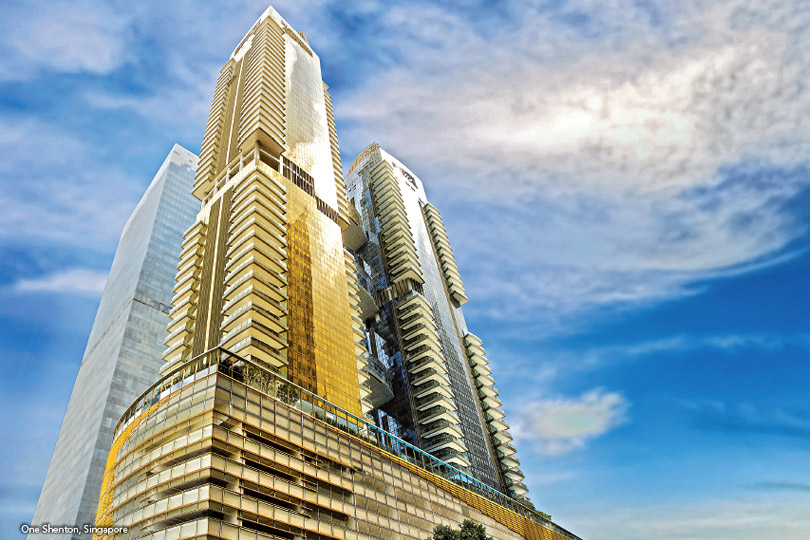
Singapore's leading developer, City Developments Limited (CDL) is honoured to present One Shenton – an architectural gem that gleams as the jewel in the crown of Singapore's new downtown.
Multiple award-winning world-renowned architect Carlos Ott was commissioned to create a stunning design for One Shenton which comprises 341 luxury apartments and penthouses. Towering majestically at 50 storeys and 43 storeys high, with its distinctive gold and silver two towers topped with iconic crowns, One Shenton is visually bonded with three sky bridges – the first of its kind in Singapore. The main intent was to create a thoroughly modern and unique sculptural structure with a strong silhouette and a striking façade in silver and gold that reflects the dynamic pulse of city living.
The sky bridges accommodate duplex Sky Suites, which come with jet pools, located on 16th to 17th, 26th to 27th and 33rd to 34th floors. These bridges include the Wellness Levels on the 24th and 25th floors which provide a Sky Gym, Spa Garden, Outdoor Fitness Area and a host of facilities.
One Shenton, with its city and waterfront views, has an enviable location in the heart of the Central Business District at the edge of Marina Bay, Singapore's premier waterfront destination, close to the Marina Bay Sands Integrated Resort. Also located in this area are the new Business Financial Centre, Gardens by the Bay and an array of leisure, commercial and entertainment facilities. Raffles MRT Station and the upcoming Landmark MRT Station is only a short walk away. With all the attractions nearby, One Shenton is the epitome of a stylish and dynamic city lifestyle.
This high profile project was launched for pre-sales (before development) in 2007 and received very good response from buyers. It was completed in 2011.
Project Address:1 Shenton Way
Singapore 068803
Developer:
City Developments Limited
36 Robinson Road #02-01 City House
Singapore 068877
Architect:
Carlos Ott, Architects 61, Singapore
World Silver Winner - Heritage (Restoration/Conservation) Category
The Fullerton Heritage, Singapore
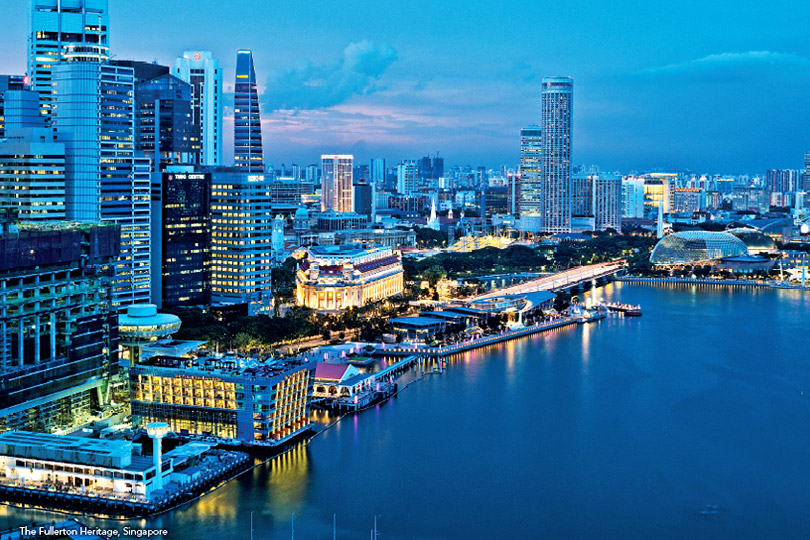
Fronting the historical waterfront, Fullerton Heritage is a landmark site that embraces Singapore's heritage and urban sensibility. It comprises four conserved buildings: The Fullerton Hotel Singapore, Fullerton Waterboat House, Clifford Pier and Customs House, and newly-built Fullerton Bay Hotel, Fullerton Pavilion and One Fullerton. It demonstrates successful integration of new uses within restored buildings, where new and old co-exist, revitalising Marina Bay precinct. One can now enjoy the waterfront freely, enjoy views of new Singapore and reminisce our historical past. Indeed, The Fullerton Heritage has fulfilled the balance of preserving our national monuments, achieving commercial viability and contributing to nation-building.
Project Address:
1 Fullerton Road
Singapore 049213
Owner:
Precious Quay Pte Ltd
14 Scotts Road, #06-00
Far East Plaza
Singapore 228213
Architect:
DP Architects Pte Ltd, Singapore
World Silver Winner - Hotel Category

W Singapore – Sentosa Cove, Singapore
Inspired by a dynamic cosmopolitan lifestyle, the 7-storey W Singapore – Sentosa Cove hotel features 240 guestrooms with stunning marina and golf-course views. It is part of a winning 3-in-1 concept that offers residents, tourists and locals the opportunity to experience a tropical marina-oriented lifestyle, with Singapore's first W hotel, specialty retail shops and quaint restaurants (Quayside Isle) as well as luxury residences (The Residences at W Singapore – Sentosa Cove).
The hotel facilities include a signature restaurant (SKIRT), an all-day dining restaurant (the kitchen table), an indoor bar (WOOBAR), an outdoor pool bar (WET® Bar) and a 500-seat ballroom, amongst others.
Project Address:21 Ocean Way
Singapore 098374
Owner:
City Development Singapore
9 Raffles Place
#36-00 Republic Plaza
Singapore
Concept Designer:
Wimberly Allicon Tong & Goo, Singapore
Architect:
AXIS Architects Planners Pte Ltd., Singapore
This feature is courtesy of the FIABCI World Prix d’Excellence Awards Secretariat